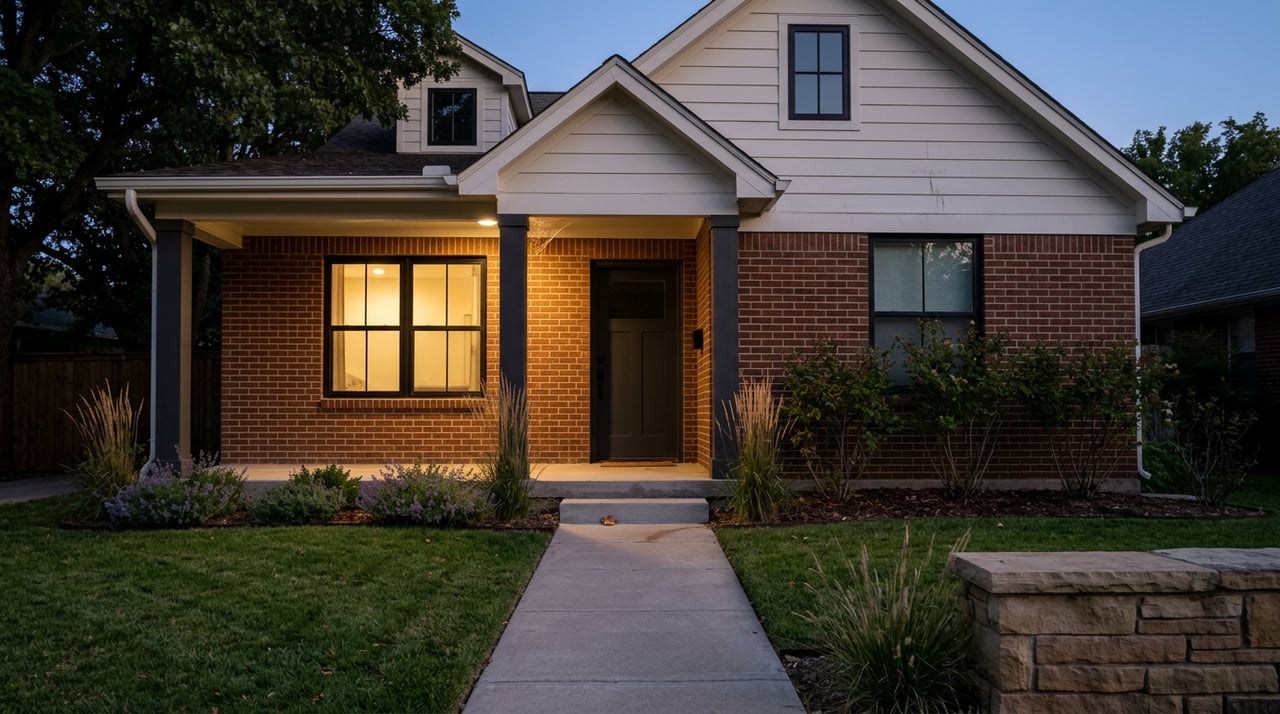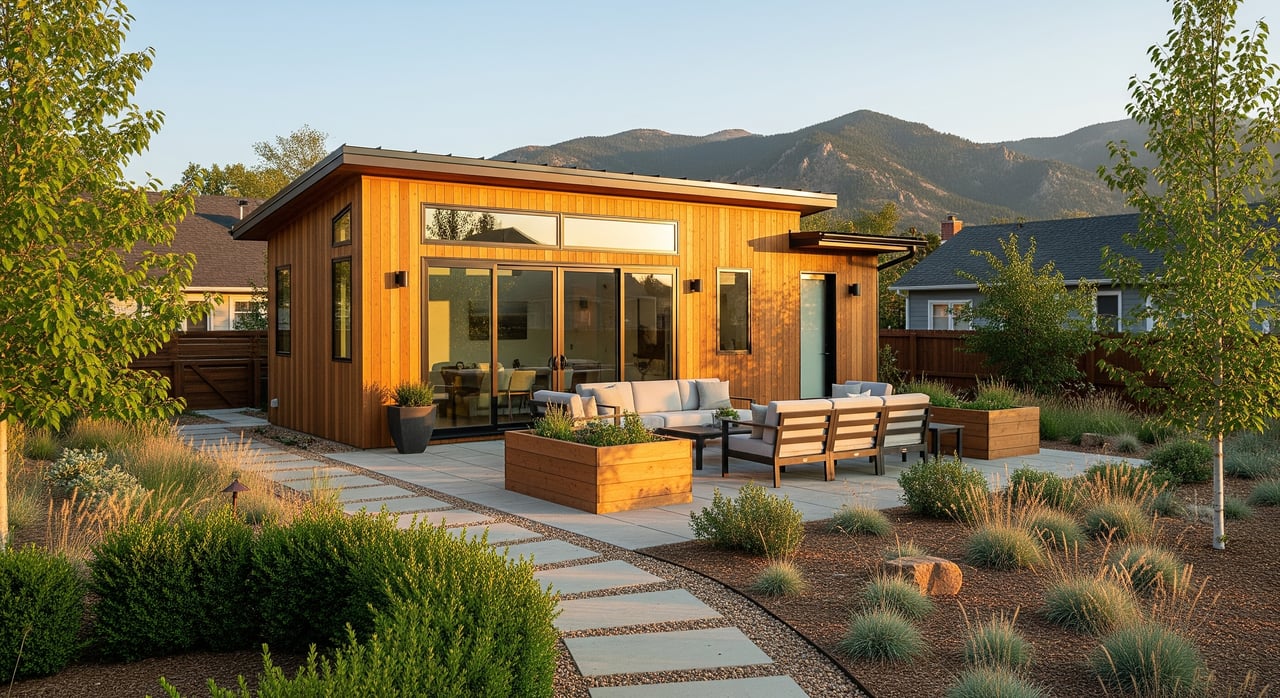
Thinking about adding a backyard cottage or converting space for extra living or rental income? In Longmont, accessory dwelling units, or ADUs, can be a smart way to support family, create flexibility, and build long-term value. You want a clear picture of the rules, costs, timing, and what it could mean for resale and taxes before you dive in. This guide walks you through the essentials for Longmont so you can plan with confidence. Let’s dive in.
ADU basics
An ADU is a smaller, secondary home on the same lot as a primary single-family residence. Common formats include:
- Detached backyard cottage
- Attached addition or over-garage unit
- Garage conversion
- Interior conversion like a basement or in-law suite
Local zoning and building codes set the ground rules. Expect standards for size, height, setbacks, parking, and design. You will also move through a permit process that includes plan review and inspections.
Longmont rules overview
Longmont has trended toward more permissive ADU policies, similar to other Front Range cities. Even so, every property is different. Always confirm current rules with the City of Longmont Planning Division and Building Services before you design or budget.
Zoning and where ADUs fit
ADUs are commonly allowed in many single-family zones and often in some multifamily areas. Check your parcel’s zoning, any overlays, and whether your lot size or configuration creates special constraints. Properties in historic districts or conservation areas can face additional review.
Unit count and owner occupancy
Many cities allow one ADU per single-family lot. Owner-occupancy rules have been reduced or removed in some places. If owner occupancy matters to your plan, verify Longmont’s current policy for your zone.
Size, height, and footprint
Cities typically cap ADUs by square footage, sometimes as a percent of the primary home or with an absolute limit. Detached units often have lower height caps than the main house. Lot coverage and floor area ratio limits may also apply. Numeric limits vary, so confirm the current standards for your address.
Setbacks and design
Detached ADUs usually must meet minimum rear and side setbacks. You may see standards for window placement, roof pitch, materials, and entry orientation to maintain neighborhood compatibility. If you are converting an existing garage or accessory structure, different rules can apply.
Parking and access
Some cities require one off-street space per ADU, while others reduce or waive parking in transit-served areas. Check whether your property has on-site parking capacity that meets current rules or whether an exception applies.
Utilities and city fees
ADUs can share meters with the main house or require separate connections. Water and sewer tap or capacity fees may apply, along with plan review and building permit fees. Ask Longmont Utilities and Building Services about tap policies and fee schedules early in planning.
Rental use and STR rules
Long-term rental use is commonly permitted. Short-term rental rules vary by city and are often more restrictive. If you plan to use an ADU for short-term stays, confirm whether licensing, safety, and taxation requirements apply in Longmont and whether your neighborhood allows it.
Historic districts and HOA covenants
City approval does not override private restrictions. HOAs and deed restrictions can prohibit ADUs, and historic review boards may require additional design steps. Review your covenants and, if applicable, historic guidelines before you invest in plans.
Approval steps
Most homeowners follow a predictable path from idea to keys in hand. Timelines vary with project scope and review workload, so build in buffers.
Step 1: Early feasibility
- Duration: about 1 to 4 weeks
- Actions: Confirm zoning and overlays with Planning. Ask about parking, setbacks, and utility needs. If you have an HOA, review covenants. Engage a designer or architect to test layouts and rough budgets.
Step 2: Design and documents
- Duration: about 2 to 8 weeks
- Actions: Prepare a site plan, floor plans, elevations, structural details, and energy compliance forms. If new utility work or grading is needed, include civil and utility plans.
Step 3: Plan review and approvals
- Duration: about 2 to 12 weeks
- Actions: City reviews your plans for code compliance. Variances or waivers, if needed, can add time and may require public hearings.
Step 4: Construction
- Duration: about 1 to 9 months
- Interior conversions or garage conversions: often 1 to 3 months
- New detached ADU builds: commonly 4 to 9 months depending on size, site work, and utilities
Step 5: Final inspections and occupancy
- Actions: Schedule inspections, resolve punch-list items, and obtain the certificate of occupancy once everything passes.
ADU costs in Longmont
Construction and labor costs vary by scope, finish level, and site conditions. The ranges below reflect typical Boulder-Longmont conditions as of the 2023 to 2024 period. Always get local bids for accuracy.
Typical cost ranges by type
- Interior conversion: about $30,000 to $150,000
- Garage conversion: about $20,000 to $80,000 if minimal structural changes, more if adding full kitchen and bath
- New detached ADU: about $150,000 to $400,000+ depending on size, foundation, utilities, and finishes
- Attached addition or over-garage unit: about $150,000 to $350,000+
Very rough cost per square foot:
- Conversions: about $100 to $300+ per square foot
- New detached ADU: about $300 to $600+ per square foot
What drives cost
- Design and permits: about 5 to 15 percent of construction cost
- Site work and foundation: about 10 to 20 percent
- Structure and shell: about 25 to 40 percent
- Mechanical, electrical, plumbing, and utilities: about 15 to 30 percent
- Interior finishes and fixtures: about 15 to 30 percent
- Contingency and soft costs: about 5 to 15 percent
Other items to budget for:
- City plan review and building permit fees
- Water and sewer tap or capacity fees
- Possible impact fees
- Added insurance and property taxes after reassessment
- Financing costs if using a construction loan or HELOC
Timing and buffers
Permit review can take a few weeks to several months depending on completeness and city workload. Contractors often build time buffers into schedules to account for weather, supply chain, and inspection timing.
Value and rental impact
ADUs can strengthen a property’s usefulness and market appeal in Longmont. The exact value boost varies by neighborhood, design quality, permitted use, and local rental demand.
Everyday uses
- Multigenerational living with privacy
- Long-term rental to offset a mortgage
- Home office, caregiver suite, or flex space
- A future downsizing option on your current lot
Market value and appraisal
Appraisers may use multiple approaches, including comparable sales of homes with ADUs and income capitalization for the rental component. In some markets, a well-executed ADU can deliver a substantial premium. In others, the premium is more modest. Strong documentation of permits and finishes helps buyers and appraisers understand the value.
Taxes, insurance, and management
- Property taxes: Adding an ADU or finishing space is an improvement that can trigger reassessment. The increase depends on how the Boulder County Assessor values the improvement.
- Income taxes: Rental income is taxable. You may deduct items like depreciation, mortgage interest, property taxes, repairs, and shared expenses. Consult a CPA.
- Insurance: Inform your insurer. You may need a policy or rider that covers rental or additional dwelling exposure.
- Management: Plan for maintenance, tenant screening, and compliance with rental rules. Decide if you will self-manage or hire a property manager.
Example rent-to-cost snapshot
Here is a simplified illustration for context only:
- Build a 600 square foot detached ADU at $250 per square foot = $150,000 total cost
- Rent long-term for $1,700 per month = $20,400 per year gross
- Gross rent-to-cost yield is about 13.6 percent
Actual net returns will be lower once you account for vacancy, maintenance, insurance, taxes, and financing. Always run a detailed pro forma for your specific property.
Homeowner checklist
Use this quick-start list to move from idea to action.
- Preliminary feasibility
- Check zoning and overlays with City of Longmont Planning.
- Review HOA covenants and any deed restrictions.
- Confirm utility availability and potential water or sewer tap fees.
- Budget and financing
- Get rough estimates from contractors and designers.
- Speak with lenders about a HELOC, construction loan, cash-out refinance, or specialty ADU financing.
- Design and pre-application
- Hire a designer or architect to draft concept plans.
- Request a pre-application conversation with city staff if available.
- Identify any variances, design reviews, or special approvals.
- Submit permits
- Prepare full plan sets, energy code documentation, and applications.
- Pay plan review and permit fees.
- Build and inspect
- Schedule inspections and maintain a contingency budget.
- Keep detailed records of materials and finishes for appraisal and resale.
- Occupy and manage
- Obtain the certificate of occupancy.
- Update insurance and speak with a CPA about tax reporting.
- Decide on self-management or professional property management if renting.
Ready to explore your options?
If you are considering an ADU in Longmont, a property-specific plan is your best first step. Our local team can help you understand feasibility, resale impact, and neighborhood demand, then connect you with experienced designers and lenders. Reach out to the trusted advisors at Dwellings Colorado Real Estate to get started.
FAQs
Is my Longmont property eligible for an ADU?
- Start with a zoning and overlay check, review HOA or deed restrictions, and confirm utility access and potential tap fees with the city.
How long does ADU permitting take in Longmont?
- Plan for a few weeks to several months depending on plan completeness, code issues, and whether variances or hearings are required.
How will an ADU affect my Boulder County property taxes?
- Adding an ADU is an improvement that can trigger reassessment; the increase depends on how the Boulder County Assessor values your specific project.
Can I use my Longmont ADU as a short-term rental?
- Long-term rental is commonly allowed, while short-term rules vary by city and may require licensing or be restricted; confirm the current policy for your address.
What are typical ADU construction costs in Longmont?
- Interior conversions often range from about $30,000 to $150,000, while new detached ADUs often run about $150,000 to $400,000+ depending on size, finishes, and utilities.