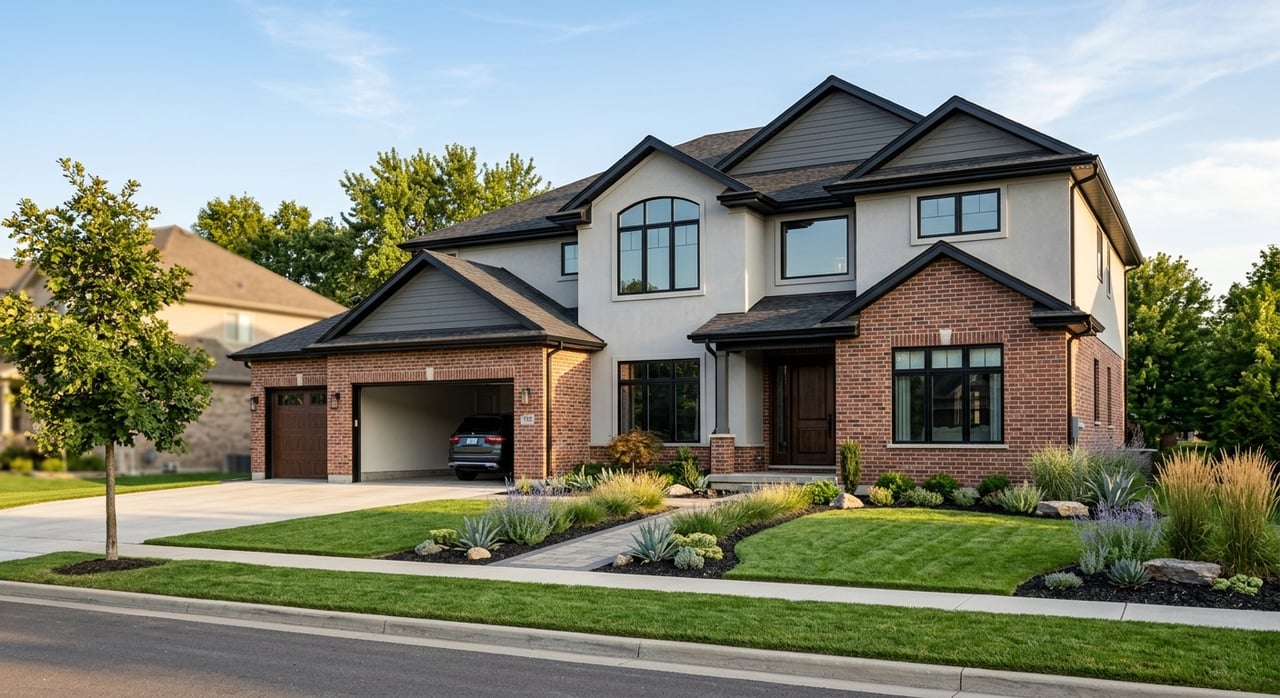
Wondering how to sell your home in Lakeshore without leaving money on the table? If you are watching mixed signals in the market, you are not alone. Some homes in and around Lakeshore move quickly, while others sit and cut price, which means your strategy matters. This guide will show you how to price, prepare, and market your home based on what buyers are responding to right now in Lakeshore. Let’s dive in.
What the Lakeshore market looks like
If you are selling in Lakeshore, the most useful public market lens is Aurora ZIP code 80013. Redfin currently describes 80013 as a very competitive market, with homes receiving an average of 3 offers, selling in about 17 days, and reaching a median sale price of $476,858 over the last three months ending May 2026.
That pace is faster than broader Aurora numbers. Redfin reports Aurora citywide at a median sale price of $461,724 with 30 days on market, while Realtor.com shows a median listing price of $444,900 and 42 median days on market for Aurora. For you as a seller, that gap suggests Lakeshore and nearby 80013 homes can attract strong attention when they are priced and presented well.
Recent sold examples in Lakeshore also show a wide range. Zillow sales span from about $460,000 to $700,000, including closings at $460,000, $475,000, $519,900, $574,500, $615,000, and $700,000. That spread tells you buyers are not valuing homes by square footage alone.
Why pricing matters so much
In Lakeshore, pricing discipline is critical. Redfin reports a 99.6% sale-to-list ratio in 80013, with 37.5% of homes selling above list price. At the same time, 31.8% of homes show price drops.
That combination sends a clear message. Buyers will move quickly for a home that feels aligned with recent comps, but they can pull back fast when a listing starts too high. Testing the market above the comp set can cost you time, momentum, and leverage.
Current active listings reinforce that point. Some homes in Lakeshore and nearby 80013 have been on the market for 73, 75, 124, and 142 days, and at least one has had a recent price cut. If your goal is a strong sale, the best strategy is usually not to chase an aspirational number without support from comparable sales.
How to price your Lakeshore home
The most persuasive pricing approach uses the last three to six months of closed sales that truly match your home. You will want to compare homes based on more than bedroom count.
Look closely at:
- Finished square footage
- Layout and livability
- Bedroom and bathroom count
- Garage size
- Lot features
- Condition and level of updates
- Finished basement or flexible living space
- Proximity to the lake or community amenities
A home with an updated kitchen, hardwood floors, a fenced yard, and a three-car garage may compete very differently than a similar-sized home with dated finishes. In Lakeshore, condition and usability appear to matter just as much as raw size.
When to list in Lakeshore
You may hear a lot about the "best" week to sell a home. Realtor.com identified April 13 to 19 as the 2026 best week to list nationally, tied to more views, less competition, and faster sales.
Still, that does not mean you should wait for a perfect week if your home is already ready to launch. In Colorado, the May 2026 market was close to balanced overall, with homes selling for about asking on average and a median 47 days on market statewide. Lakeshore is moving faster than that.
For most sellers here, preparation matters more than a narrow calendar window. If your home is clean, well-prepared, accurately priced, and marketed clearly, you are in a better position than a seller who waits for an ideal week but launches with weak presentation.
What Lakeshore buyers notice most
Buyers comparing homes in Lakeshore tend to notice both lifestyle features and practical everyday function. Recent listing copy and area context point to a few recurring themes that help homes stand out.
Lakeshore lifestyle features
Lakeshore listings often highlight:
- Private lake access
- Scenic trails
- Neighborhood parks
- Community pool
Aurora's parks system adds helpful context. The city notes 103 developed parks, 8,000 acres of open space, and 119 miles of trails. Cherry Creek State Park in Aurora also offers 35 miles of trails and an 850-acre reservoir.
If your home benefits from access to these features, they can absolutely support your marketing story. The key is to describe them accurately and specifically.
Practical home features
Lifestyle draws attention, but practical livability often helps buyers make the final decision. In recent Lakeshore listings, common selling points include updated kitchens, hardwood floors, finished basements or flexible living areas, fenced yards, and larger garage space.
Buyers also respond to homes with enough bedrooms and bathrooms to support changing household needs. Convenience matters too, especially access to recreation centers, shops, restaurants, and major corridors like I-225 and E-470 when that is true for the property.
How to prepare your home before listing
Before your home hits the market, focus on the details buyers will notice first online and in person. Strong preparation supports better photos, smoother showings, and a stronger first impression.
Start with the basics:
- Declutter each room
- Deep clean surfaces and floors
- Improve lighting where rooms feel dim
- Touch up paint where needed
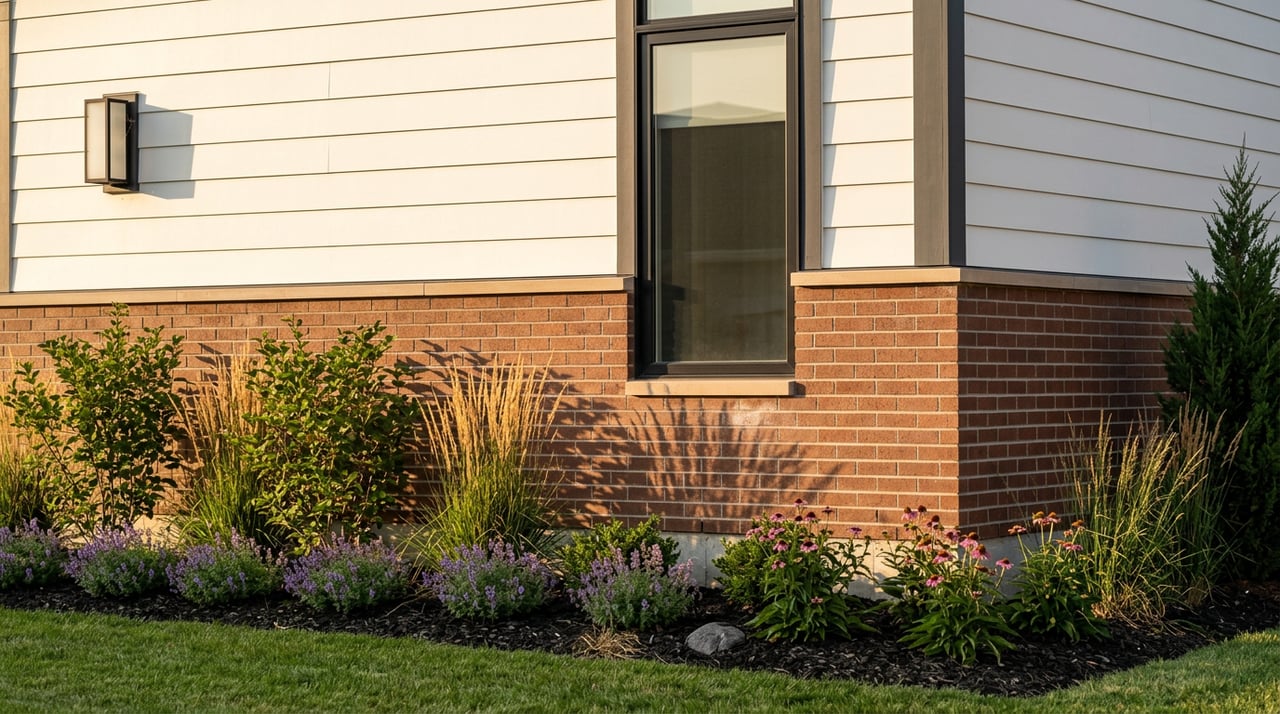
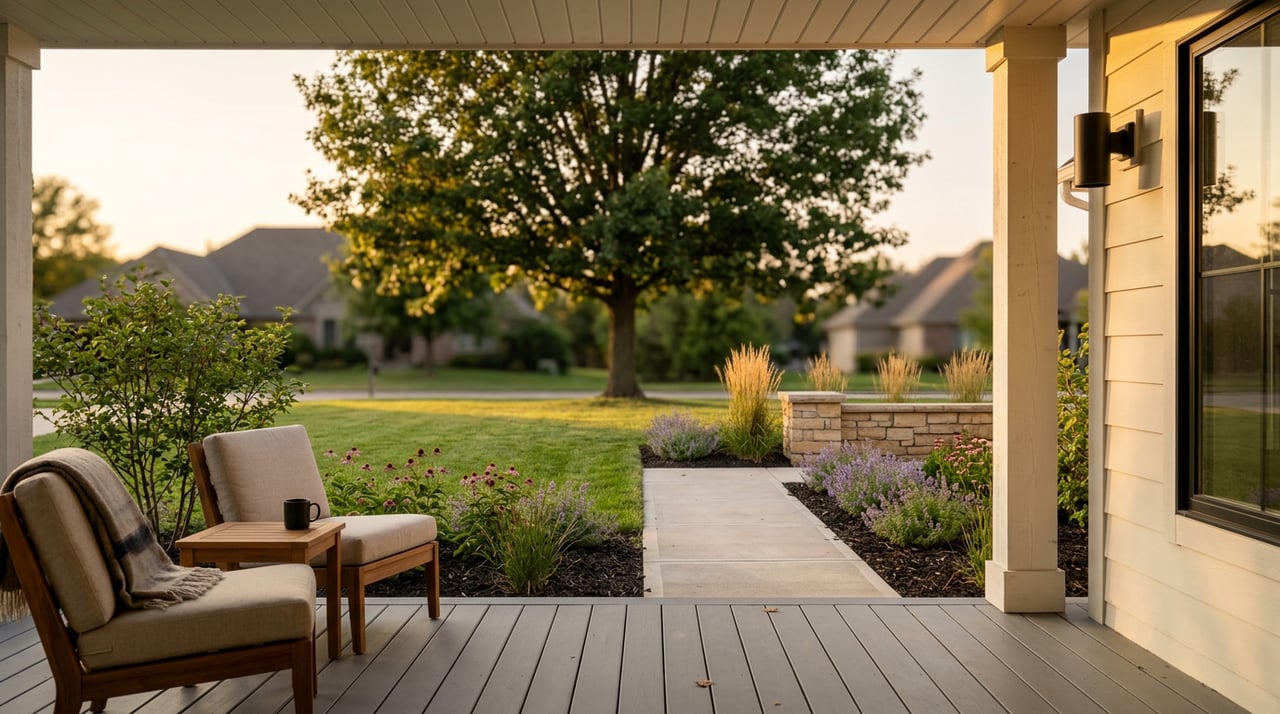
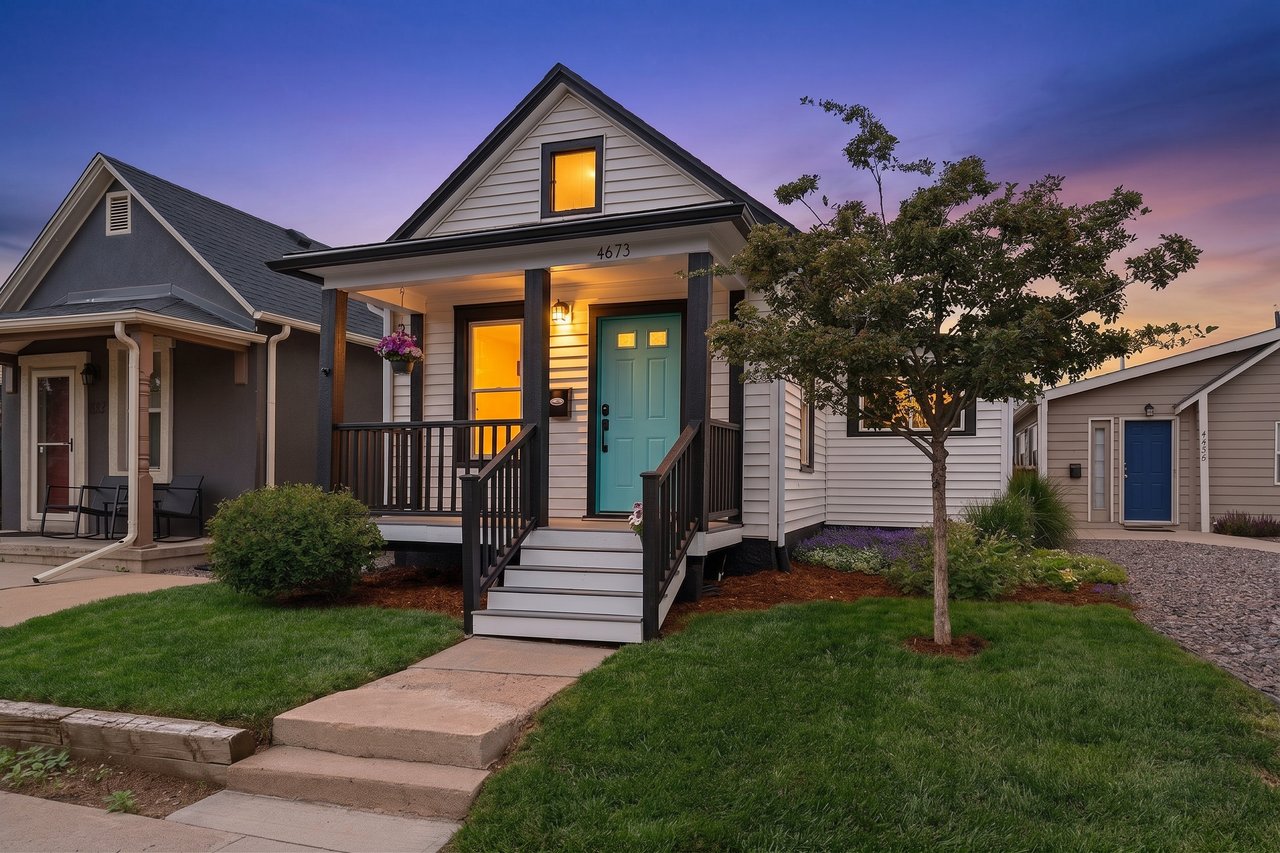
- Sharpen curb appeal
- Fix obvious condition issues before photos
These steps may sound simple, but they matter. Buyers often make their first decision from the listing photos, and visual presentation can shape whether they book a showing at all.
Why visuals and staging matter
Most buyers begin online, which makes presentation one of the most important parts of your sale. Among buyers who search online, 85% say photos are very useful, 80% say detailed property information is very useful, and 31% say neighborhood information is very useful.
Staging can also help buyers connect with the home. In NAR's 2025 staging survey, 83% of buyers' agents said staging made it easier for buyers to visualize a home as a future residence. The rooms reported as most important to stage were the living room, primary bedroom, and kitchen.
You do not always need a full redesign. In many cases, thoughtful editing, cleaner surfaces, better furniture arrangement, and stronger lighting can make a major difference in how your home reads in photos and during showings.
What your listing should say
The best Lakeshore marketing is concrete, not vague. Buyers respond to specifics they can picture.
That means your listing should clearly describe real features such as:
- Private lake
- Trails and parks
- Community pool
- Updated kitchen
- Hardwood floors
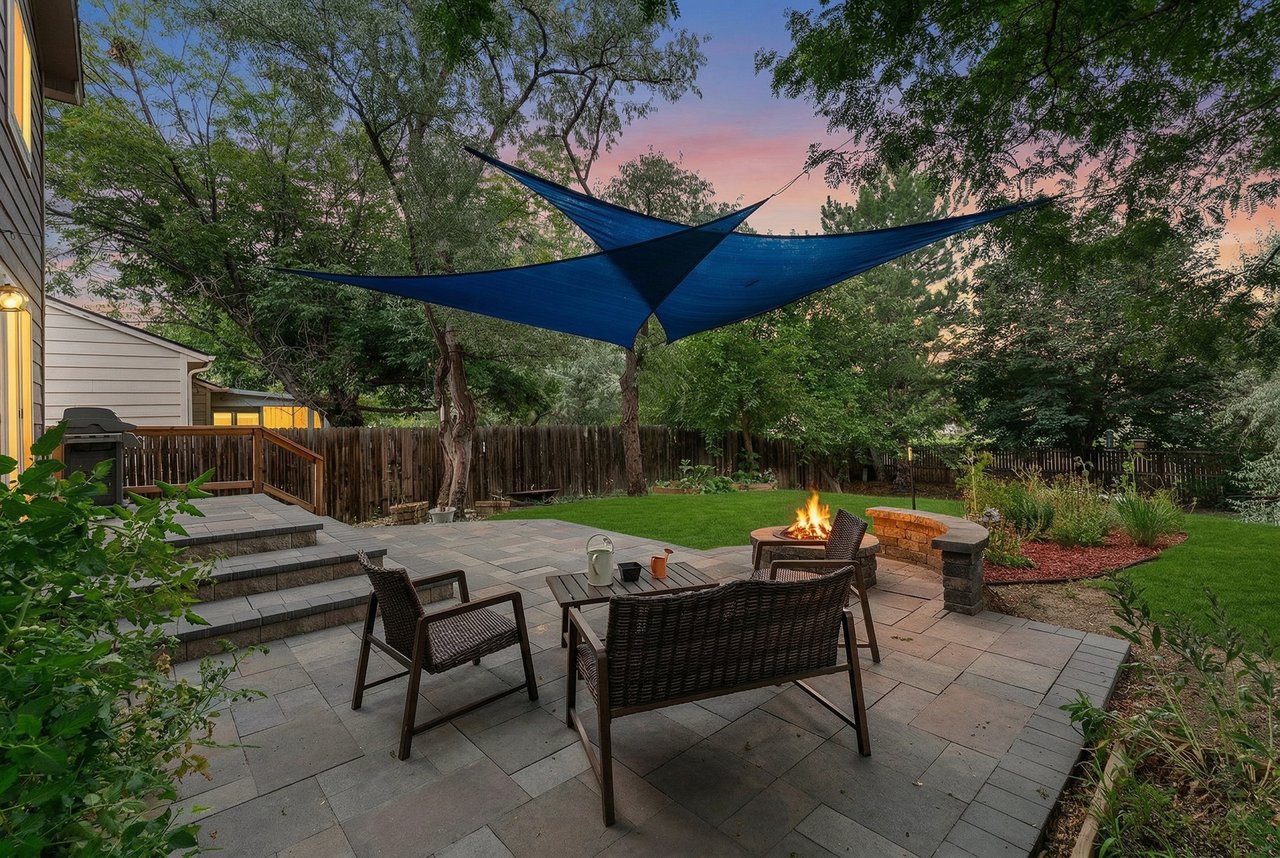
- Fenced backyard
- Garage or storage space
- Flexible finished living areas
It should also mention nearby conveniences accurately when they apply to your property. Broad claims and generic lifestyle language are less persuasive than clear, factual details.
Colorado paperwork to have ready
A smooth sale is not only about pricing and presentation. It also helps to have your paperwork organized before your home goes live.
For Colorado sellers, the current official Residential Seller's Property Disclosure form from the Colorado Real Estate Commission is the form for use on or after January 1, 2026. The Colorado Division of Real Estate also reminds brokers that all offers must be presented to the seller in a timely manner.
If your Lakeshore home is in an HOA-governed section, be ready with:
- HOA documents
- Current fees
- Community rules
- Any exterior approval history
When buyers ask for this information early, being prepared can help keep your transaction moving.
What to ask before you hire a listing agent
If you are interviewing agents to sell your Lakeshore home, focus on the details that directly affect your outcome. In a fast-moving ZIP code, execution matters as much as experience.
Ask questions like:
- What recent 80013 comps support your price recommendation?
- How will you position my home against active competition?
- What is your plan for photos, video, and staging?
- How will the listing describe lake, trail, park, or pool access accurately?
- How quickly can you launch once prep is complete?
For many sellers, this is where a boutique, marketing-first approach can make a difference. Clear pricing, polished presentation, and responsive coordination can help you capture early buyer interest instead of having to chase it later.
A smart Lakeshore selling strategy
Selling a home in Lakeshore, Aurora is not about guessing the top of the market. It is about matching your pricing to the right comps, preparing your home to show at its best, and telling a clear story about what buyers value most in this part of 80013.
The data suggests you can benefit from strong buyer demand here, but only if your home enters the market with the right strategy. Buyers are moving quickly on well-priced homes, and they are also quick to react when a listing feels out of step.
If you want hands-on guidance, polished marketing, and a pricing strategy built around the details that matter, Dwellings Colorado Real Estate can help you plan your next move with confidence.
FAQs
How fast do homes sell in Lakeshore, Aurora?
- Using Aurora 80013 as the best public market lens, Redfin reports homes sell in about 17 days on average.
What price range are homes selling for in Lakeshore?
- Recent Zillow sold examples in Lakeshore range from about $460,000 to $700,000, depending on size, condition, updates, and features.
What features help a Lakeshore home stand out to buyers?
- Buyers often respond to a mix of lifestyle and practical features, including private lake access, trails, parks, a community pool, updated kitchens, hardwood floors, fenced yards, flexible living space, and garage storage.
Should you price high to leave room for negotiation in Lakeshore?
- The local data suggests careful pricing works better, since well-priced homes can move quickly while overpriced homes may sit longer or require price cuts.
What paperwork should a Lakeshore seller prepare before listing?
- You should be ready with the Colorado Residential Seller's Property Disclosure form and, if your home is in an HOA-governed section, the HOA documents, fees, rules, and any exterior approval history.