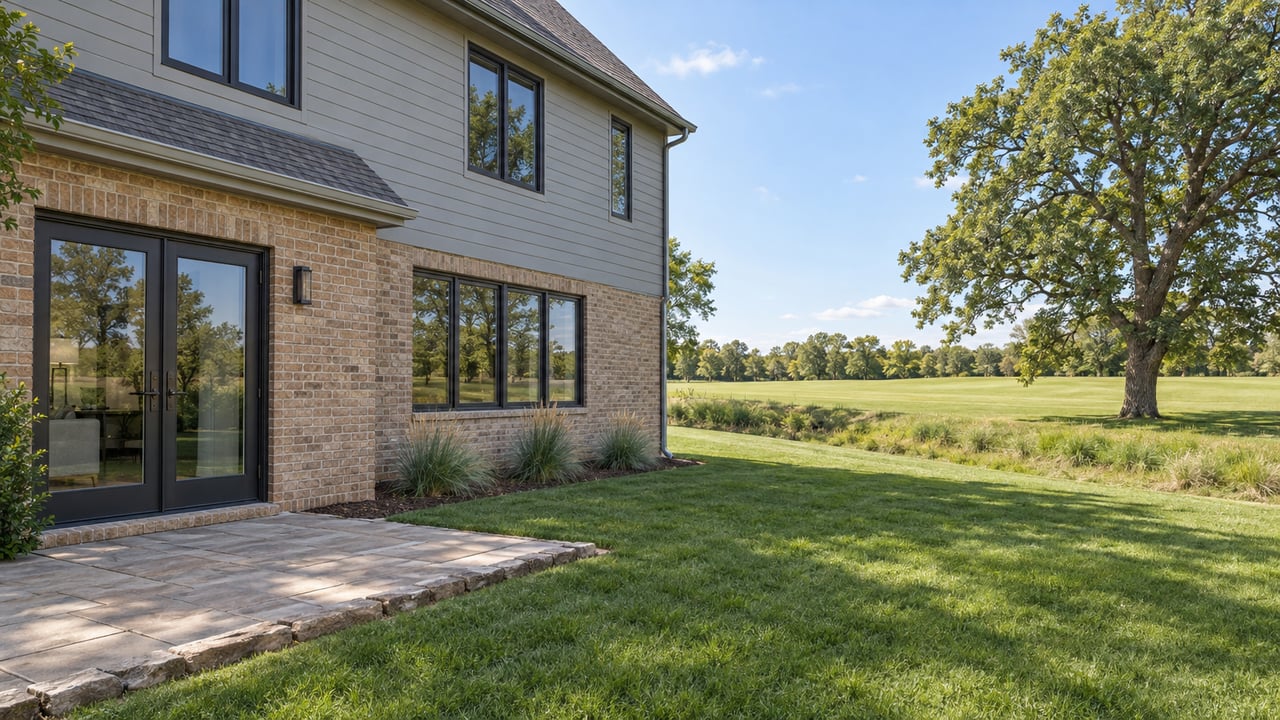
Stand in the backyard of almost any home that backs to a golf course, anywhere in the country, and a version of the same question eventually surfaces. What happens to this view, this quiet, this whole reason I paid a premium for this lot, if the course closes and someone builds forty townhomes where the fourteenth fairway used to be? It's not a paranoid question. Golf courses close. Private owners sell to developers. Homeowners who bought the view end up fighting it in court a decade later.
That fear travels with the golf-course-community label wherever it goes, including into showings at homes backing to Ute Creek Golf Course in Longmont. It shouldn't, at least not in its usual form, and the reason has nothing to do with the course's condition or its tee sheet. It has to do with who owns it.
The course belongs to the city, not a developer
Ute Creek Golf Course is a municipal facility owned and operated by the City of Longmont. It was designed by the Robert Trent Jones II Group and opened in 1997, and it holds certification as an Audubon International Cooperative Sanctuary for its water and habitat management, a designation tied to ongoing environmental stewardship rather than a one-time marketing claim.
That ownership structure matters because the redevelopment scenario buyers picture, a private course owner cashing out to a home builder, depends on the course being a private, profit-seeking asset in the first place. Legal commentary on golf-course-adjacent property describes exactly that dynamic: a developer who owns both the course and the surrounding neighborhood can, under certain conditions, redevelop the fairways once the homes are sold and the marketing value of the view has already been captured. Courts have even developed a specific legal theory, sometimes called an easement by plat, to address disputes that arise when a course originally sold as a neighborhood amenity gets repurposed later.
None of that machinery applies the same way to a course the city runs as public recreation infrastructure alongside its parks and rec programs. Longmont staffs Ute Creek with a PGA head professional and a golf course supervisor, runs it through its Golf Longmont program, and markets it as a public amenity for residents and visitors, not as land banked for a future zoning change. That doesn't make the course untouchable forever. Cities do occasionally repurpose public land, and no one should read a permanent guarantee into a current operating model. But the specific private-equity-style redevelopment risk that shows up in national coverage of shuttered courses is a different animal from whatever risk exists around a functioning municipal course with an active pro shop and a decade-plus environmental certification behind it.
What replaces that fear: two HOAs, one course, different rules
Once the redevelopment worry is set aside, the more useful question for a Ute Creek buyer isn't about the course at all. It's about which homeowners association actually governs the specific address.
The neighborhoods ringing Ute Creek aren't one governing body. Spring Valley at Ute Creek, built by Centex Homes starting in the late 1990s, covers 279 homes and borders several holes along the back nine, where the creek and its lakes come into play on four holes. The Reserve at Ute Creek is a much smaller, self-governed association of about 70 homes with a three-to-five-member elected board that meets roughly monthly and handles its own snow removal coordination and common-area upkeep. Both communities sit near the same course. Neither one's HOA has any operational authority over it, and neither one's dues, architectural rules, or reserve funding necessarily resemble the other's.
That distinction matters at the offer stage more than it does during a casual tour. A buyer comparing two listings that both say "Ute Creek Golf Course community" in the marketing copy is not necessarily comparing two homes with the same monthly obligation or the same rules about fencing, landscaping, or exterior changes. The course name is doing a lot of work in that phrase, and the HOA behind the address is doing separate, sometimes very different, work of its own.
The liability question buyers actually need answered
Errant golf balls are the other piece of due diligence that gets waved off in a walkthrough and matters a lot more once someone's window is broken. Colorado's legal picture here is more layered than "the golfer pays."
Attorneys who work golf-course liability cases describe a real defense available to the golfer: buyers arguably assume the risk of stray shots when they choose a home on a golf hole. Courses often post signage stating the golfer bears responsibility for property damage, but whether that signage carries legal weight in a specific dispute can depend on whether similar language appears in the recorded plat or covenants for that property, which varies address to address. And even when a golfer or homeowner's liability coverage would apply, rising deductibles on those policies have reportedly made it barely worth filing a claim for a broken window or a dented gutter.
The practical takeaway isn't that ball damage is uninsurable or unmanageable. It's that "who pays" isn't a settled fact the way it sounds in casual conversation, and it's worth reading the specific HOA covenants for language about golf-ball liability before assuming a homeowner's policy will make a claim simple.
What the title company should confirm before closing
Course-adjacent lots carry their own title review checklist, and it's a different checklist than the one for a typical suburban parcel. Golf-course communities routinely rely on a web of private roads, cart paths, irrigation lines, and utility easements that cross multiple property lines, and title guidance on these communities points to a specific risk: if those easements weren't recorded correctly when the neighborhood was platted, access disputes can surface later between homeowners and whoever operates the course.
Because Ute Creek is city property rather than a privately deeded common area, some of those access and maintenance easements may be recorded against a municipal parcel rather than a homeowner-association parcel, which is one more reason not to assume the language on a neighbor's title report matches the language on the parcel a buyer is actually purchasing. A title company confirming recorded easements, setback compliance for any structure near the course boundary, and who is responsible for the buffer strip between a yard and the fairway is standard practice for course-adjacent property, and it's worth doing even when the course itself carries lower redevelopment risk than usual.
"Backs to the golf course" doesn't mean what it sounds like
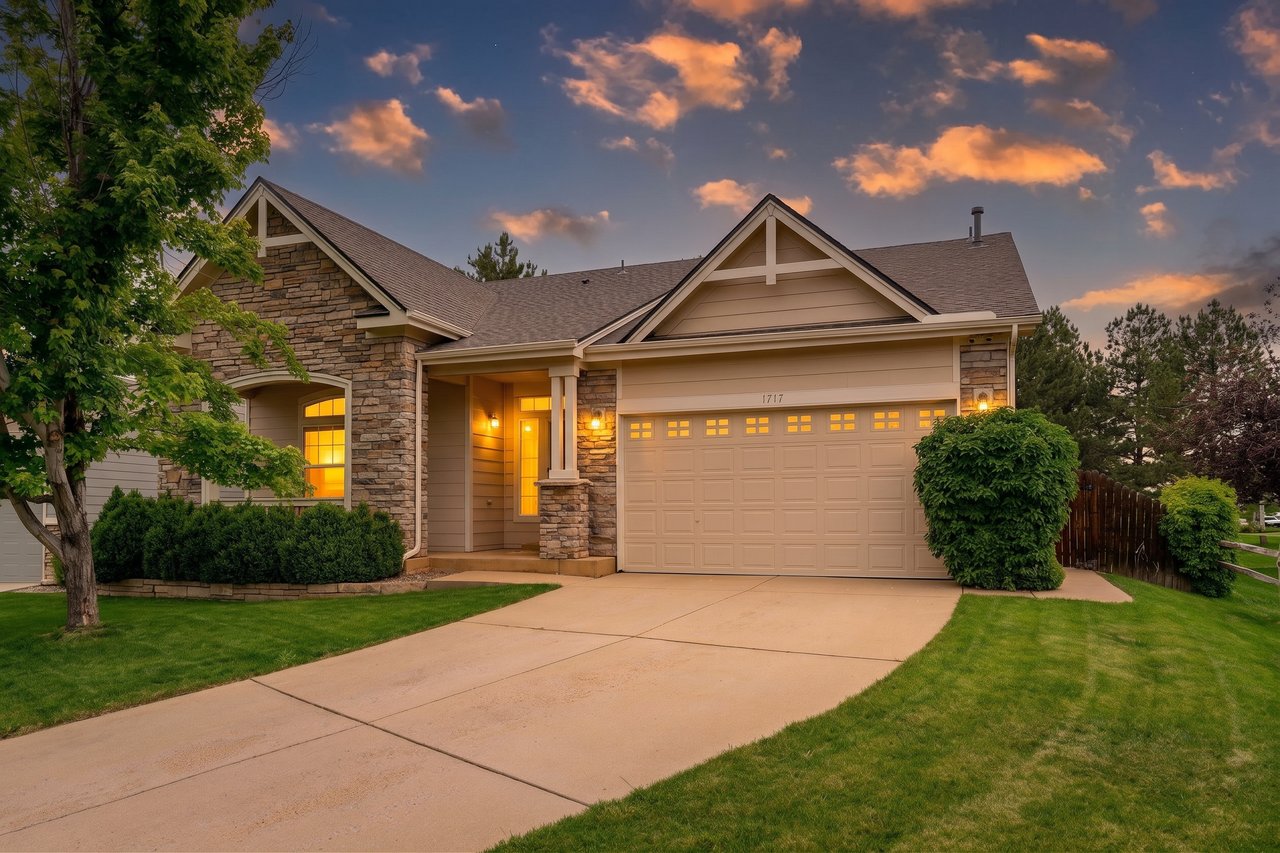
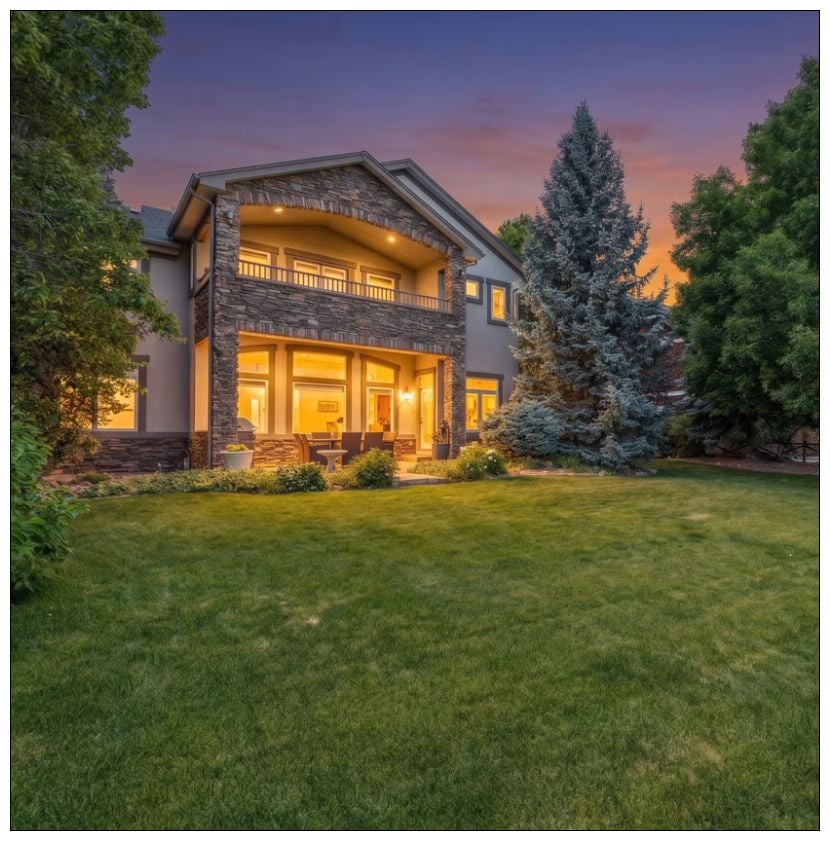
One more piece of due diligence sits underneath all of this: the phrase "backs to Ute Creek Golf Course community" covers a wider range of actual lot conditions than the marketing suggests. A recent Longmont listing on Rannoch Drive, a four-bedroom home inside the Ute Creek Golf Course community, backed not directly to a fairway but to a walking path that connects to the neighborhood park and open green space. That's a materially different lot than one that faces a tee box or a green, with different exposure to ball traffic, different privacy considerations, and a different daily soundtrack of cart traffic and mower noise.
The community name tells a buyer they're in the Ute Creek footprint. It doesn't tell them whether their specific backyard looks at a fairway, a cart path, a green, or a shared trail. That's a walk-the-lot-in-person question, not a listing-photo question.
A quick way to hold the two risks side by side
| What buyers usually assume about golf-course homes | What's actually true for a Ute Creek address |
|---|---|
| The course could be sold and redeveloped | The course is city-owned and operated as public recreation, a different risk profile than a privately held course |
| One HOA covers the whole golf-course community | Separate associations like Spring Valley at Ute Creek and The Reserve at Ute Creek govern different sections with different dues and rules |
| Errant golf ball damage is the golfer's problem, automatically | Liability often depends on assumption-of-risk arguments, covenant language, and policy deductibles that make small claims impractical |
| "Backs to the golf course" means facing a fairway | It can mean a fairway, a green, a cart path, or a connecting trail, each with a different daily experience |
A few questions worth asking before you write an offer
Does the HOA maintain the golf course? No. The course is owned and operated by the City of Longmont through its Golf Longmont program. Neighborhood associations near the course, including Spring Valley at Ute Creek and The Reserve at Ute Creek, maintain their own common areas and have no operational role in running the course itself.
If a stray ball breaks a window, who's responsible? It depends. Colorado liability commentary points to an assumption-of-risk defense available to golfers, course signage that sometimes shifts responsibility back to the golfer, and homeowner policy deductibles that have climbed high enough to make small claims not worth filing. The covenants for the specific address are the place to look for language that settles the question one way or the other.
Does "backs to the golf course" always mean facing a fairway? Not necessarily. Lots in the same community can back to a fairway, a green, a cart path, or a connecting walking trail. Confirm the exact lot line and sightline before assuming what daily ball exposure or privacy will actually look like.
If a home along Ute Creek Golf Course is on your list, the questions worth asking aren't the ones the view raises on a first walkthrough. They're the ones buried in the HOA documents, the recorded easements, and the specific parcel lines that don't show up in a listing photo. Dwellings Colorado can help you pull the right HOA packet, read the covenant language that actually governs your address, and walk the lot before you write an offer.