Why Your House Isn’t Getting Offers (And What Smart Sellers Do Next)
Selling a home can feel exciting at first. The photos go live, the listing appears online, and you imagine buyers lining up to schedule showings.
But sometimes the excitement fades into frustration.
Days turn into weeks, showings slow down, and the offers you expected never arrive. If that sounds familiar, you’re not alone. Many sellers face this exact situation—and the good news is that it’s usually fixable.
If your house isn’t getting offers, it doesn’t necessarily mean something is wrong with the home itself. More often, it simply means something in the strategy needs adjusting.
Let’s take a closer look at the most common reasons homes struggle to attract offers—and how confident sellers turn things around.
Pricing May Be the Problem
In today’s housing market, pricing is everything.
Buyers have more information than ever before. With online listings, neighborhood sales data, and market trends at their fingertips, they quickly recognize when a home is priced too high.
When a listing sits on the market longer than expected, buyers often assume one of two things:
-
The seller isn’t realistic about price
-
Something may be wrong with the home
Even if neither is true, perception matters.
Homes that are priced correctly from the beginning tend to attract more interest, more showings, and sometimes even multiple offers. When the price is off—even slightly—it can push buyers toward competing listings.
Sometimes the smartest move is re-evaluating the price based on current market conditions.
Buyers Are Comparing Everything
Today’s buyers aren’t just looking at one home—they’re comparing dozens.
They’re evaluating price, condition, location, and features side by side. If your home doesn’t stand out or offer clear value, buyers may move on to the next listing.
Ask yourself:
-
How does my home compare to similar homes nearby?
-
Does it offer competitive value?
-
Would I choose this home if I were the buyer?
Small differences can make a big impact. Buyers often gravitate toward homes that feel move-in ready, well presented, and fairly priced.
Presentation Matters More Than You Think
First impressions happen fast—especially online.
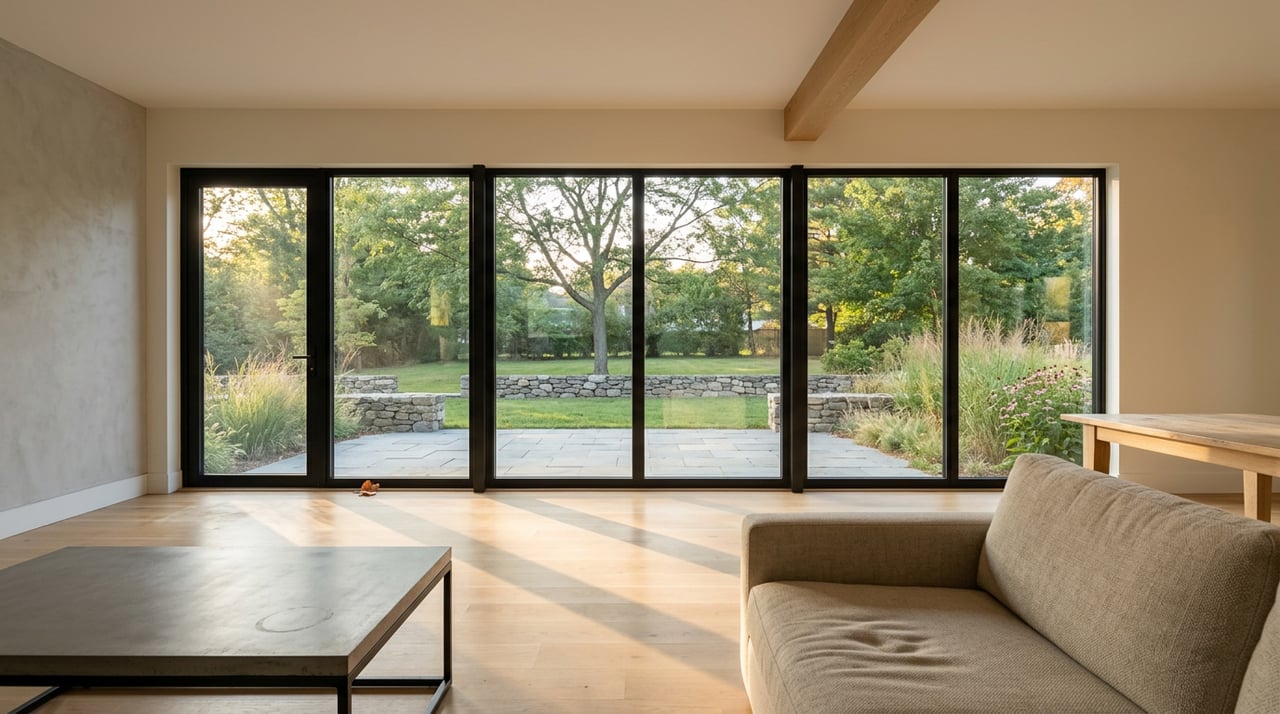
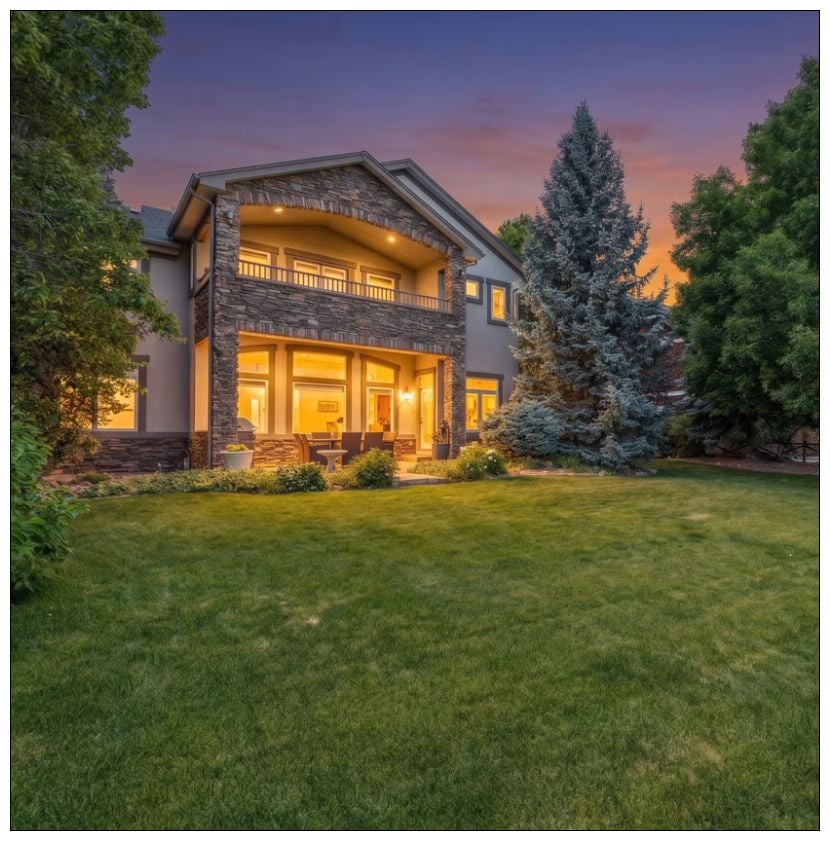
For most buyers, their home search begins on a screen. That means the photos, description, and overall presentation of your listing play a huge role in whether someone schedules a showing.
A few key elements can dramatically affect buyer interest:
-
Professional photography
-
Clean, clutter-free spaces
-
Bright lighting and neutral colors
-
Simple staging that highlights the home’s best features
When buyers scroll through listings, they tend to pause on homes that look inviting, fresh, and easy to imagine living in.
Sometimes improving presentation can make a major difference without requiring a full renovation.
The Market May Have Shifted
Real estate markets are always changing.
Interest rates fluctuate, inventory levels rise or fall, and buyer demand evolves throughout the year. A home that would have sold quickly last year may take longer in today’s market.
That doesn’t mean your home won’t sell. It simply means strategy matters more than ever.
Successful sellers stay flexible. They adjust pricing, improve marketing, and work closely with an experienced real estate professional to respond to market conditions.
In many cases, the solution isn’t dramatic—it’s simply adapting to the current market reality.
Buyer Expectations Are Higher
Over the past few years, buyers have become more selective.
Higher borrowing costs mean buyers are thinking carefully about every purchase decision. They want homes that feel worth the investment.
That doesn’t mean every home must be perfect. But it does mean buyers are paying close attention to details like:
-
Condition of major systems
-
Updated kitchens or bathrooms
-
Overall maintenance and cleanliness
-
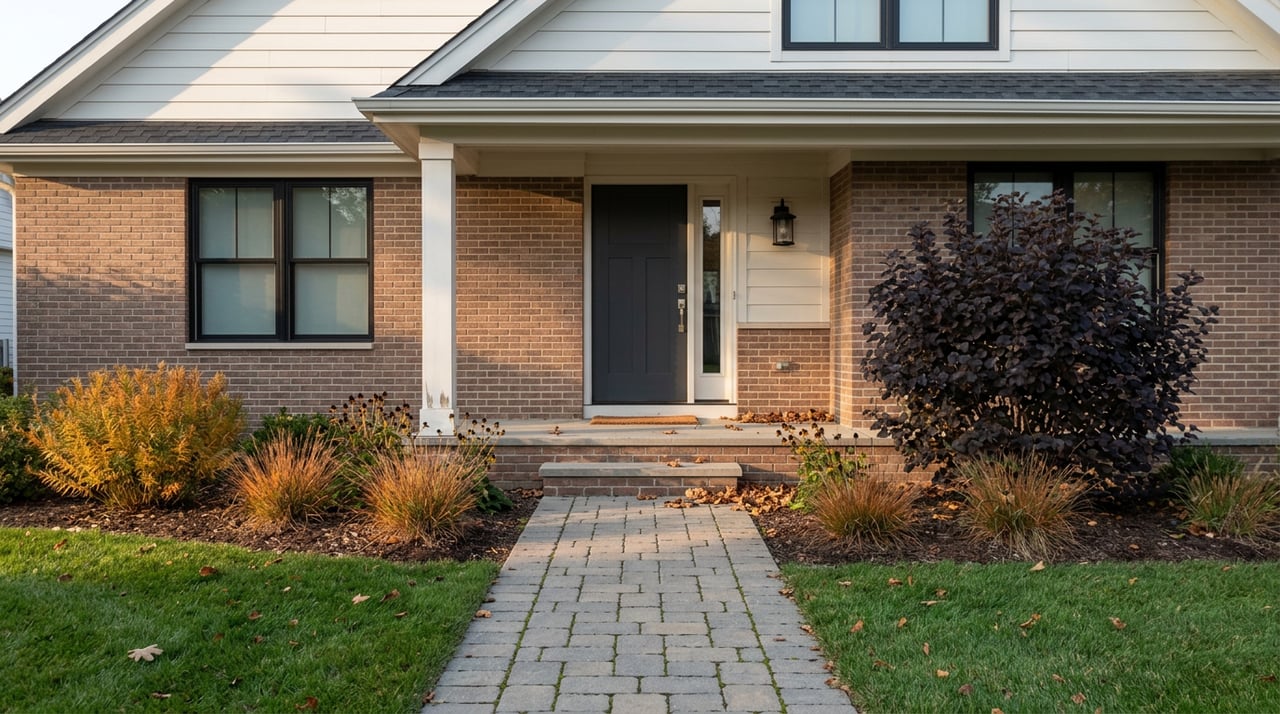
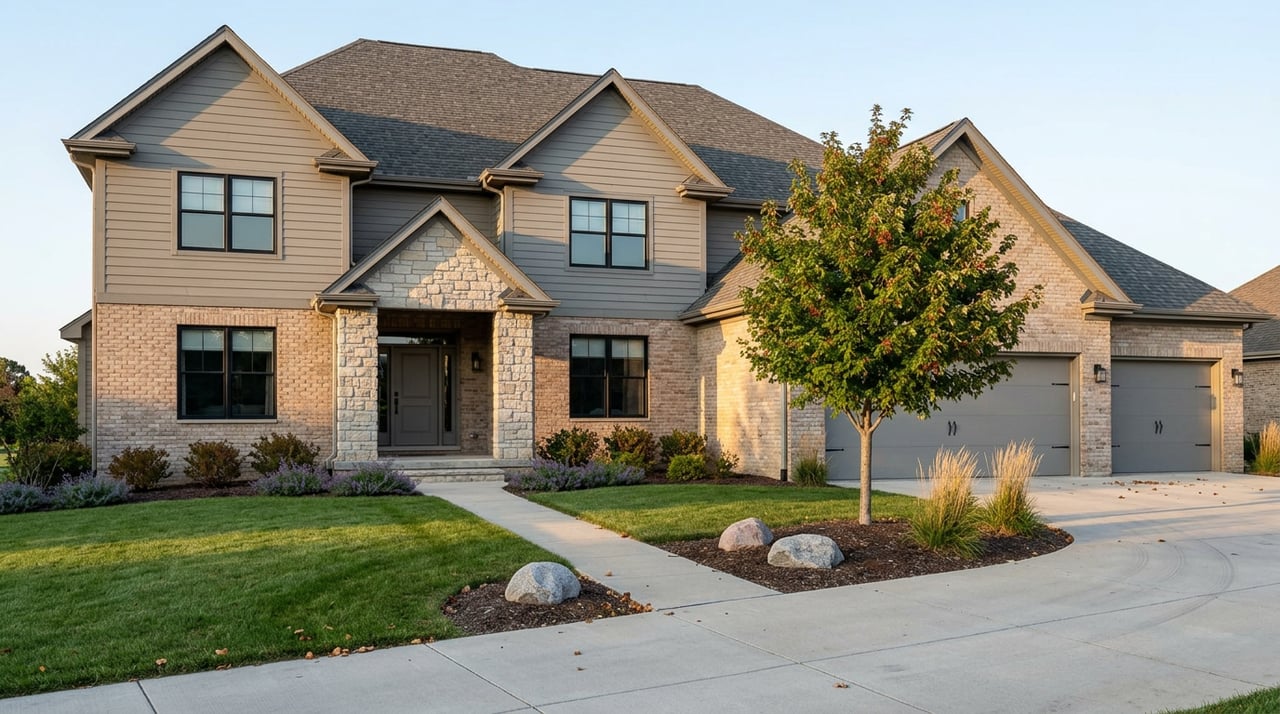
Curb appeal
Even small updates—fresh paint, landscaping, or minor repairs—can boost buyer confidence and make your home feel more attractive.
Sometimes It’s Simply Timing
Timing can also play a role in how quickly a home receives offers.
Certain seasons bring more buyers into the market. Spring and early summer tend to see higher activity, while winter months may move more slowly.
Local inventory levels also affect timing. If several similar homes hit the market at the same time, buyers have more choices and may take longer to decide.
In these situations, patience combined with the right strategy can still lead to success.
What Smart Sellers Do When Offers Aren’t Coming
If your home isn’t getting offers, the key is not to panic—but to pivot.
Successful sellers take a step back and evaluate their strategy. They look at feedback from showings, compare nearby listings, and identify opportunities for improvement.
Here are a few smart steps many sellers take:
Revisit Pricing
A price adjustment can attract a new wave of buyer attention.
Improve Presentation
Better photos, staging, or decluttering can change how buyers perceive the home.
Increase Marketing Exposure
Fresh marketing can introduce the listing to buyers who may have missed it before.
Work With a Trusted Real Estate Expert
Experienced agents understand local trends and can help guide the right adjustments.
Sometimes a small change is all it takes to turn a quiet listing into an active one.
The Bottom Line
If your house isn’t getting offers, it’s not the end of the road—it’s simply a signal that something needs to be adjusted.
The housing market rewards sellers who stay flexible, pay attention to buyer behavior, and adapt their strategy when necessary.
With the right pricing, presentation, and marketing approach, many homes that once struggled to attract attention eventually become the one buyers can’t ignore.
And when that happens, the offers usually follow.