Thinking about trading your starter home for more space in Longmont, but not sure which neighborhood fits your next chapter? You’re not alone. Move-up buyers often juggle price, commute, schools, and yard size while trying to time a sale and purchase. This guide gives you a clear, local framework to compare top Longmont areas and turn a long wish list into a confident plan. Let’s dive in.
Why move up in Longmont
Longmont serves as both a self-contained city and a commuter hub to Boulder, Denver, and northern Front Range job centers. That dual role shapes demand, inventory, and what you may need to prioritize. Many move-up buyers look for more bedrooms, larger yards, a home office, and access to parks and schools while staying connected to regional jobs and local amenities.
As you plan, keep an eye on interest rates, MLS inventory, and new construction activity across the Front Range. Also watch for HOA rules, price per square foot differences by neighborhood, and property tax variations within Boulder County. These factors can influence both your budget and your timeline.
Neighborhood snapshots
Use these profiles as a starting point. Treat attributes as typical, then verify details on current MLS listings, with site visits, and through local agencies.
Creekside: what to expect
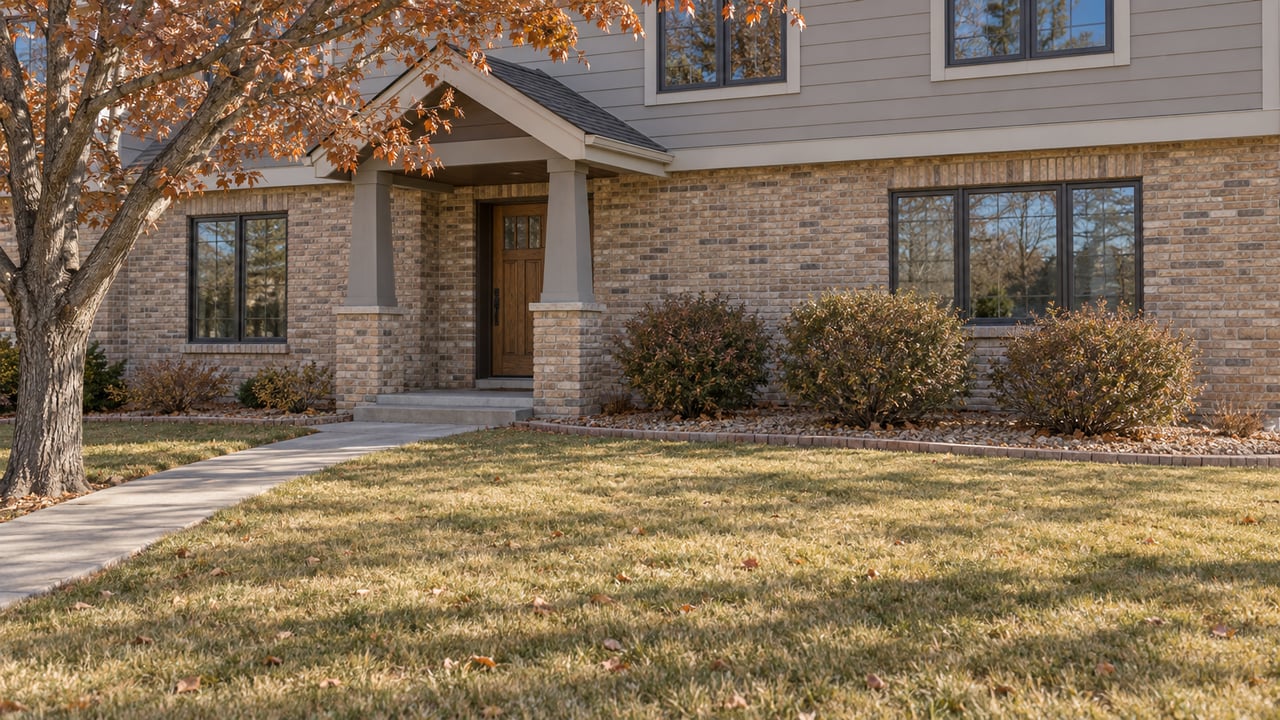
Creekside often features newer to mid-age homes built in the 1990s–2010s, with open layouts on modest lots. You may find proximity to St. Vrain Creek, greenways, and neighborhood parks, plus convenient access to shopping corridors. The tradeoff is modern designs and easier maintenance balanced against smaller yards and potential HOA oversight.
- What to verify:
- Floodplain overlays near St. Vrain Creek.
- HOA covenants, restrictions, and fees.
- Lot sizes and year-built distribution from MLS or the county assessor.
- Walkability to parks, schools, and nearby services.
Fox Hill: what to expect
Fox Hill typically offers established single-family homes, including ranch and two-story layouts, with mature trees and landscaping. You may be near parks, established local schools, and some recreation amenities. Expect a classic neighborhood feel and larger lots, with the possibility of older systems that may need updates.
- What to verify:
- Condition of roof, HVAC, windows, and other big-ticket items.
- School assignments and proximity to local schools.
- Any nearby noise corridors or commercial adjacency.
- Recent resale activity and days on market for similar homes.
Somerset Meadows: what to expect
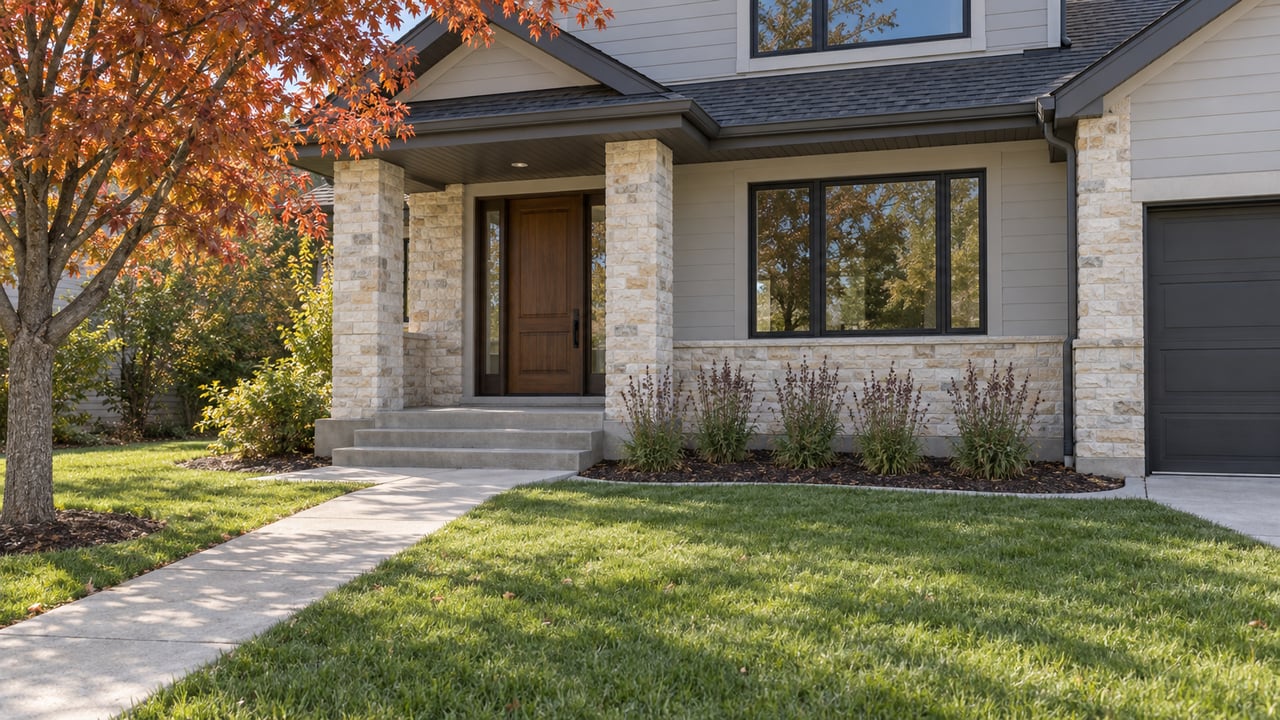
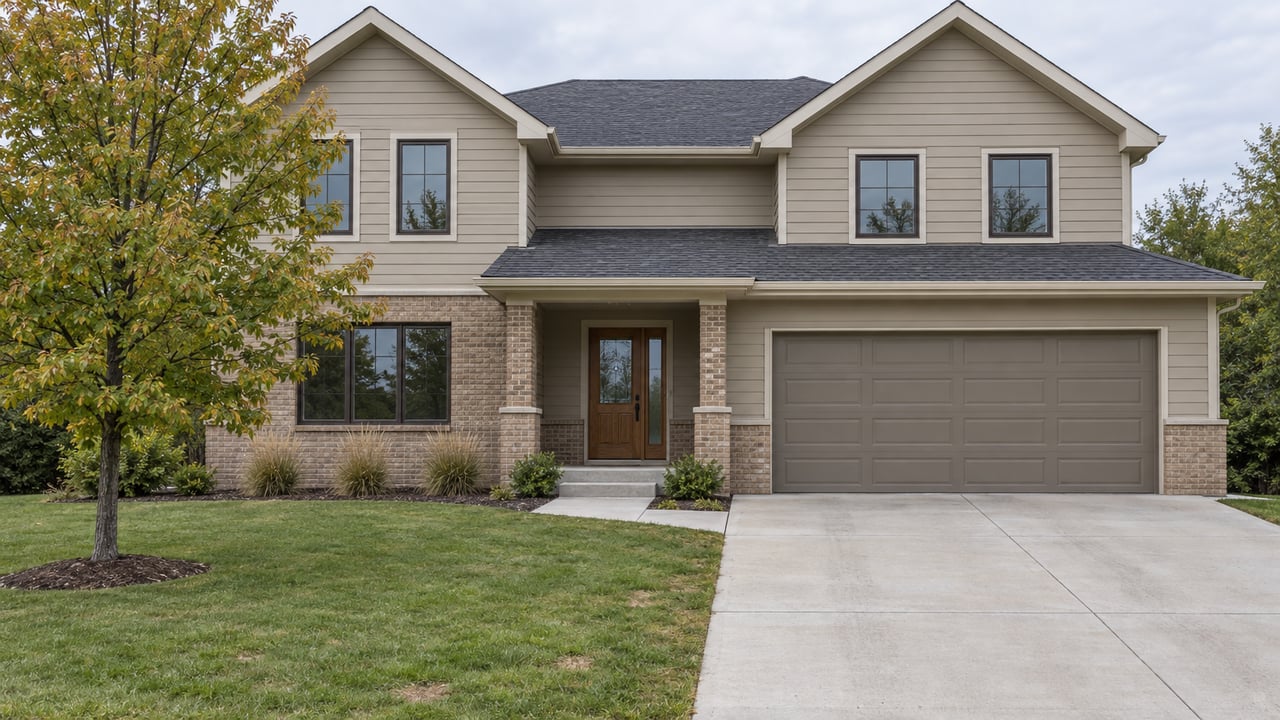
Somerset Meadows is often a planned, family-oriented subdivision with mid-sized single-family homes and cul-de-sac patterns. Pocket parks, sidewalks, and proximity to elementary schools can be strong draws. The tradeoff is community amenities with moderate lot sizes and possible HOA rules.
- What to verify:
- HOA documents, including architectural review and rental rules.
- School proximity and any capacity or boundary changes.
- Typical inventory for 3–5 bedroom homes and recent price trends via the MLS.
Spring Valley: what to expect
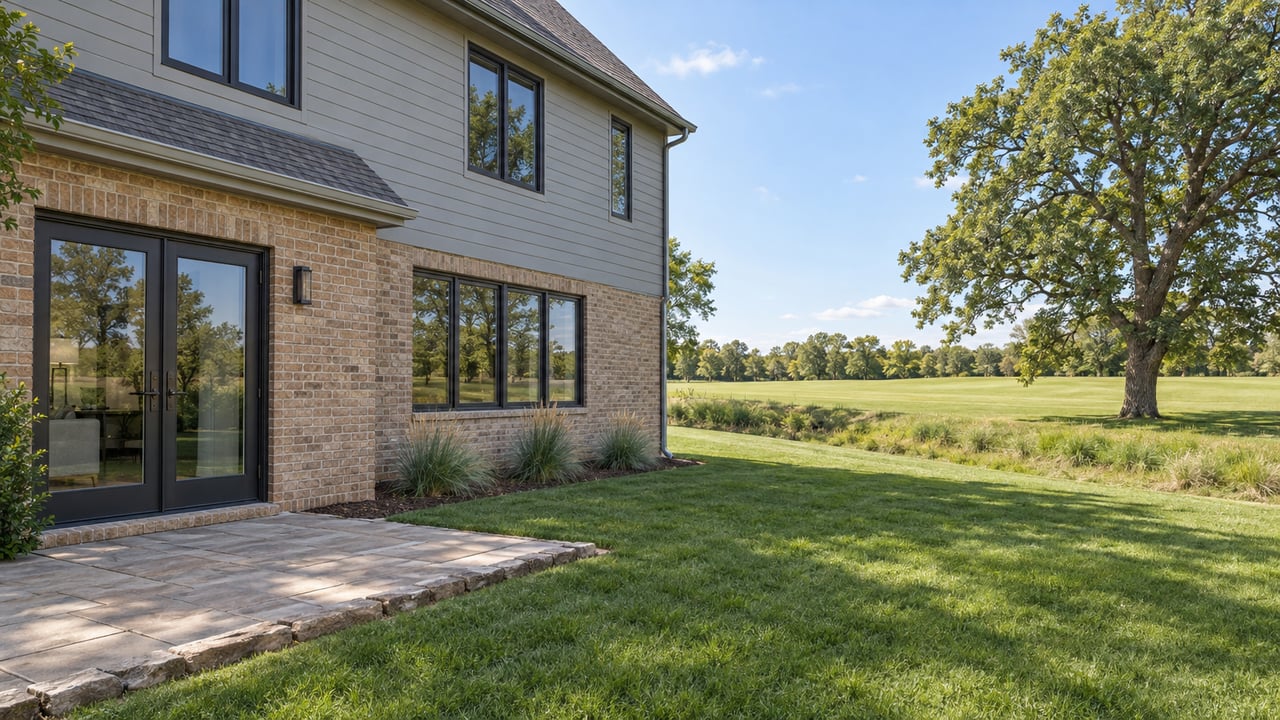
Spring Valley can include more varied housing, from older homes on larger lots to semi-rural parcels. Privacy, space, and potential foothills views are common reasons buyers look here. The tradeoff is larger yards and privacy balanced against longer drives, higher maintenance, and fewer nearby retail options.
- What to verify:
- Zoning, lot-size restrictions, and whether homes have municipal utilities or wells/septic.
- Wildfire risk and defensible-space needs on treed or larger lots.
- Road maintenance responsibilities and snow removal.
Your comparison plan
A consistent framework helps you weigh tradeoffs without second-guessing every listing.
Define must-haves
- Budget band, including a ceiling to cover renovations.
- Minimum beds, baths, garage spaces, and target lot size.
- Commute tolerance by drive time to one or two job addresses.
- School priorities and acceptable options.
- Yard and outdoor needs such as garden space or RV parking.
- Renovation tolerance, including time and contractor availability.
Track core metrics
For each neighborhood, compile the same metrics so you can compare apples to apples:
- Median sale price and 12-month trend for your home type.
- Price per square foot range for typical move-up homes.
- Home age distribution and median year built.
- Average lot size for your target home type.
- Days on market and inventory for homes that match your criteria.
- HOA presence and typical monthly fees.
- School assignments and ratings using multiple sources.
- Peak and off-peak commute times to key employers.
- Walkability and proximity to grocery, parks, and medical services.
- Risk checks: FEMA flood zones, wildfire hazard areas, and noise or industrial adjacency.
- Planned infrastructure or zoning changes from local planning.
Verify on site
- Drive the area weekday mornings, weekday evenings, and weekend mid-day.
- Walk a few blocks to note sidewalks, tree canopy, and general upkeep.
- Visit parks and nearby schools at active times.
- Ask neighbors about seasonal issues like snow clearing and event parking.
- Tour a few representative listings and open houses to gauge layouts and finishes.
Score and shortlist
Create a simple rubric to weigh what matters most. A typical weighting looks like this:
- Budget: 25–30%
- Commute: 15–20%
- Schools: 15–20%
- Lot and yard: 10–15%
- Home condition vs. renovation: 10%
- Neighborhood amenities: 5–10%
Score 6–8 candidate neighborhoods, then focus touring on your top 2–3. For each finalist, request a comparative market analysis and a preliminary property tax estimate from the county assessor.
Costs, timing, and risks
Negotiation and timing
If you need to sell to buy, plan for tight timelines. Consider contingency strategies, bridge options, or negotiating a seller rent-back so you have time to move. Align pre-approval, listing prep, and touring to minimize gaps between transactions.
Inspection focus by area
- Older, established areas: prioritize roof, foundation, HVAC, water heater, and electrical panel updates.
- Larger-lot or semi-rural homes: confirm utility capacity, well and septic status if present, and access or maintenance easements.
- Creekside locations: ask for elevation certificates and insurance cost estimates if in a mapped flood zone.
Resale outlook
Strong fundamentals tend to support value over time. Proximity to schools, parks, and convenient shopping, larger usable yards, and updated kitchens and baths often broaden the buyer pool. Modern mechanical systems and solid curb appeal can shorten days on market and reduce concessions.
Tools to use
- Local MLS access for inventory, pricing, and days on market.
- Boulder County Assessor for property tax history, lot size, and year built.
- City and county planning sites for zoning and planned projects.
- St. Vrain Valley School District and state education resources for maps and report cards.
- FEMA flood resources and county wildfire maps for risk checks.
- Mapping apps and walkability tools to test commute and daily convenience.
Get started
If you want a clear, side-by-side view of Creekside, Fox Hill, Somerset Meadows, and Spring Valley, start with the framework above. Then pair the data with on-site tours and a neighborhood-level CMA to sharpen your shortlist. When you are ready, work with a local team that blends senior-level guidance with a marketing-first approach to help you buy with confidence.
For a tailored plan and neighborhood comparison, reach out to Dwellings Colorado Real Estate. We’ll help you shortlist, tour, and negotiate your next home in Longmont.
FAQs
What should Longmont move-up buyers prioritize first?
- Start with budget, commute tolerance, and must-have home features, then layer in schools, lot size, and renovation tolerance so you can compare neighborhoods consistently.
How do I compare Creekside and Fox Hill fairly?
- Track the same metrics for both, including price per square foot, lot size, home age, days on market, HOA rules, commute times, and any flood or noise overlays.
Are Longmont school boundaries and ratings stable?
- Boundaries and ratings can change; review district maps and recent reports regularly and verify school assignments for specific listings before you write an offer.
What if I need to sell before I buy in Longmont?
- Use a coordinated plan that may include sale contingencies, bridge options, or negotiating a rent-back, and align your listing prep and loan pre-approval before touring.
How do floodplain or wildfire risks affect my search?
- Identify risks early using official maps and local resources, then factor potential insurance and maintenance needs into your budget and inspection strategy.