Thinking about a move to Aurora and wondering which neighborhood will actually fit your day-to-day life? If you are drawn to established neighborhoods, detached homes, and built-in amenities, Lakeshore deserves a closer look. This guide will help you understand what stands out about Lakeshore, what to verify before you buy, and whether it matches your goals as a relocation buyer. Let’s dive in.
Why Lakeshore Stands Out
Lakeshore is a neighborhood in Aurora’s 80013 area in Arapahoe County. In HOA materials, you may also see it written as Lake Shore. Aurora’s neighborhood and HOA resources show a Lake Shore Community Association, which gives relocating buyers a useful starting point when learning the area.
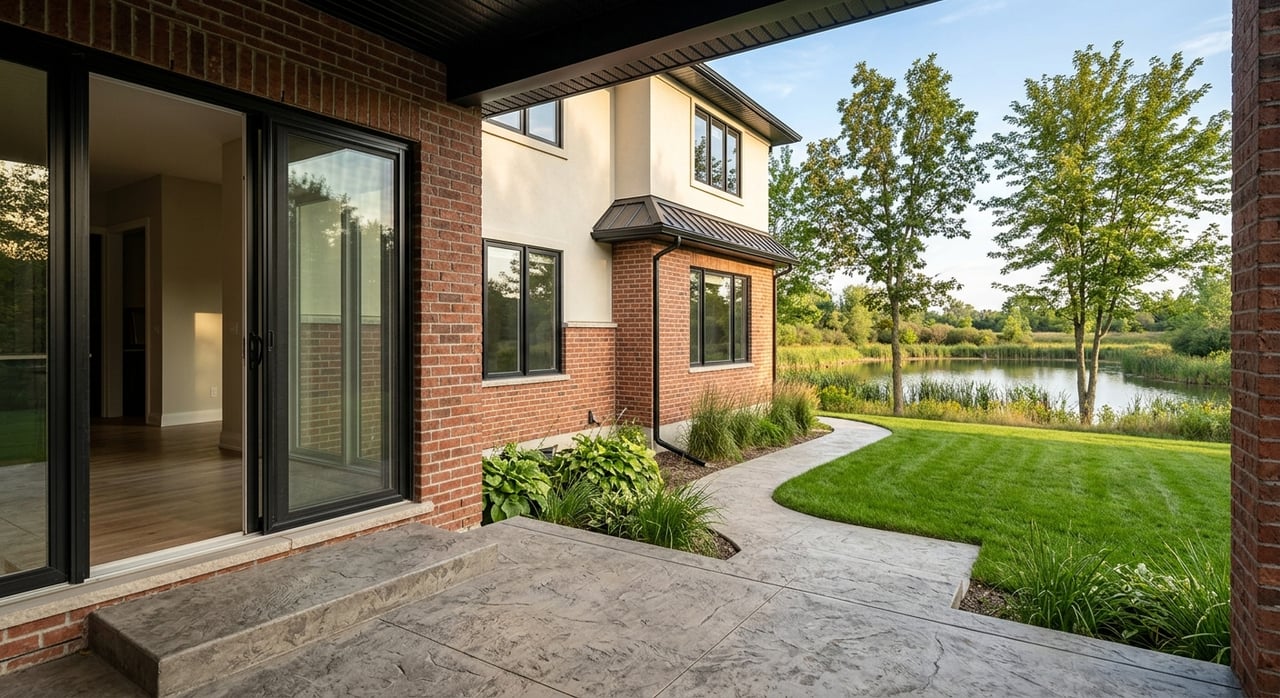
One of the biggest draws here is the amenity package. Community materials describe a clubhouse, swimming pool, a 14-acre lake, ponds, two playgrounds, and boat-ramp access. If you are comparing suburban neighborhoods and want more than just a house, that kind of setup can make Lakeshore feel like a more complete community.
Aurora’s 2024 neighborhood improvement grant update also listed a Lake Shore Community Association project for entryway landscaping and lighting. That does not tell you everything about the HOA, but it does suggest ongoing attention to neighborhood upkeep. For many relocation buyers, that kind of visible maintenance matters.
What Homes in Lakeshore Are Like
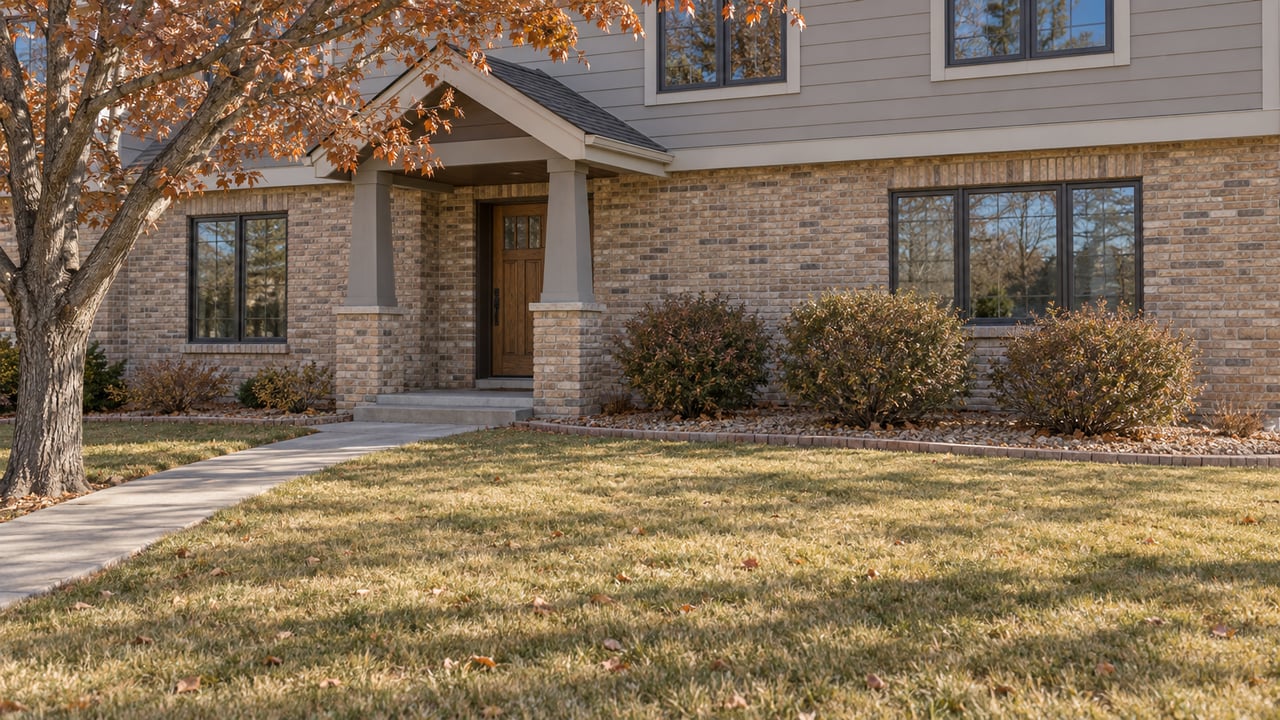
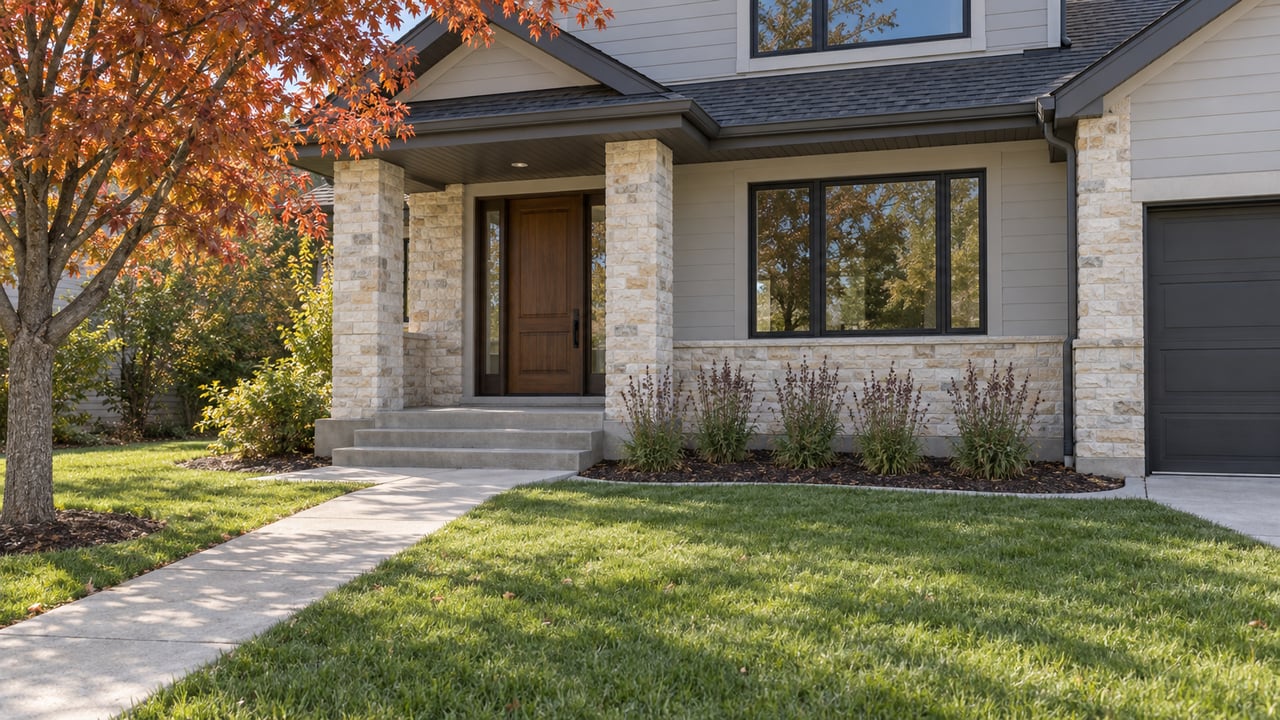
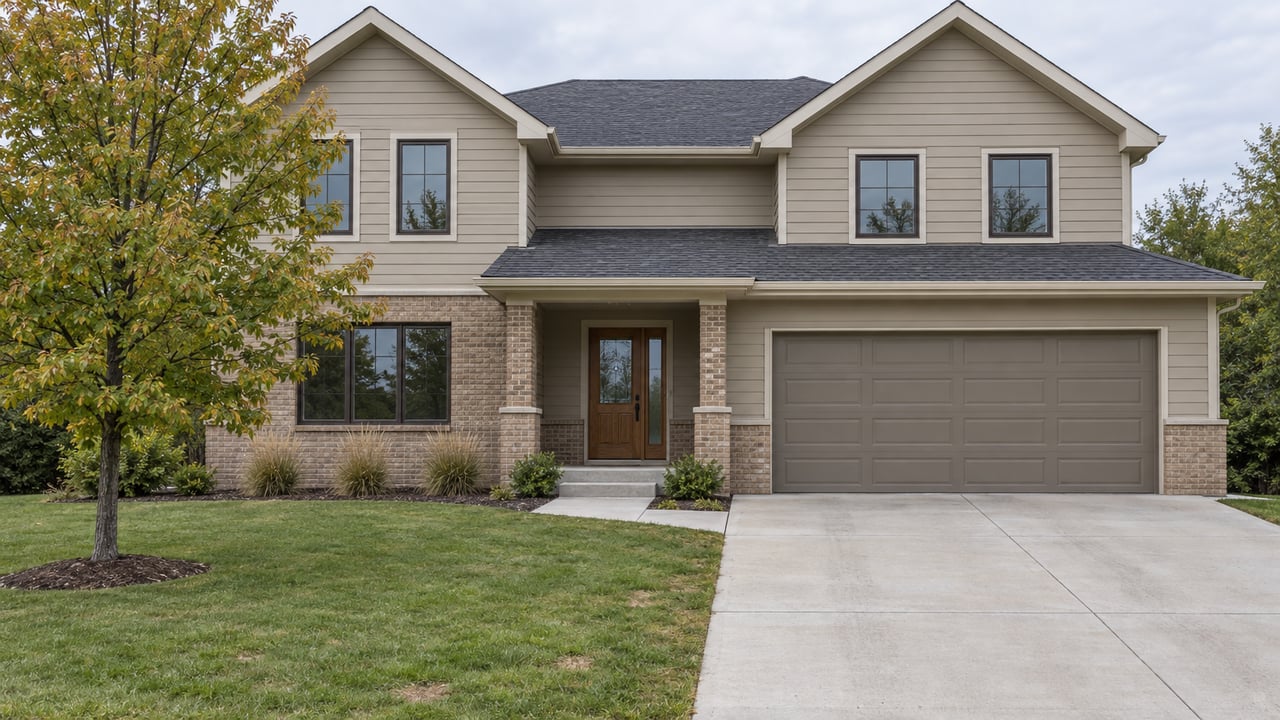
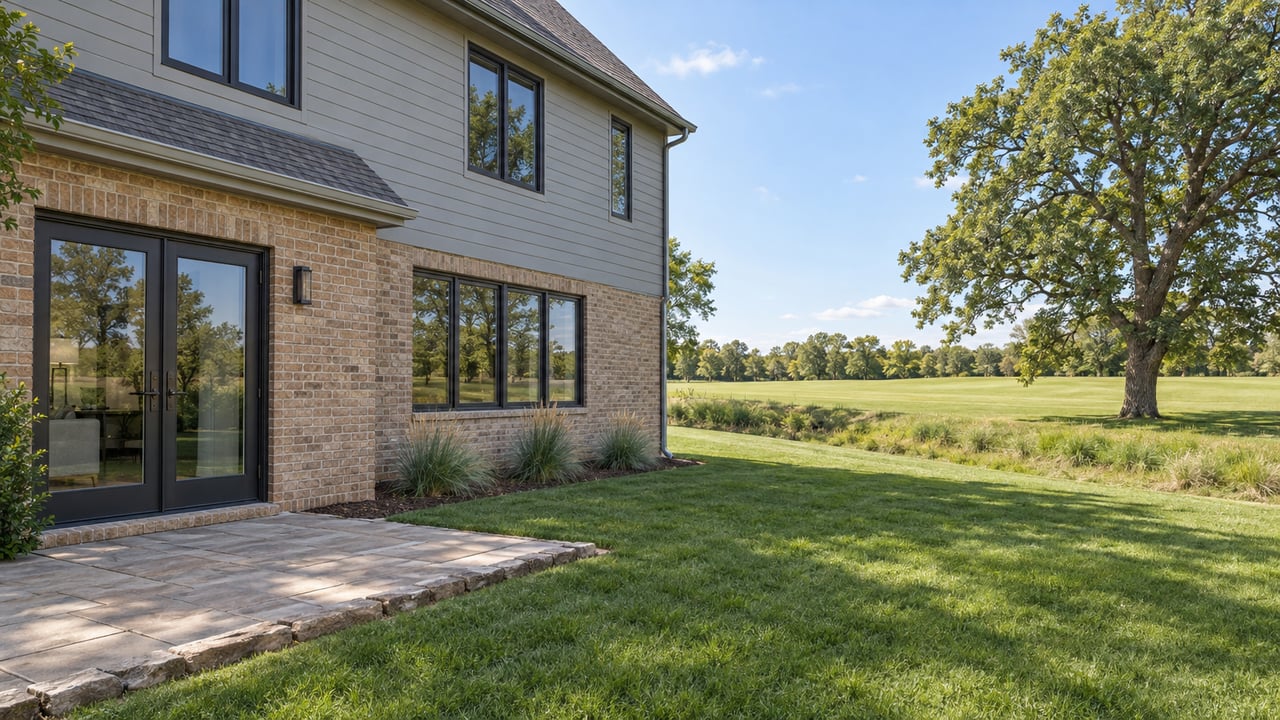
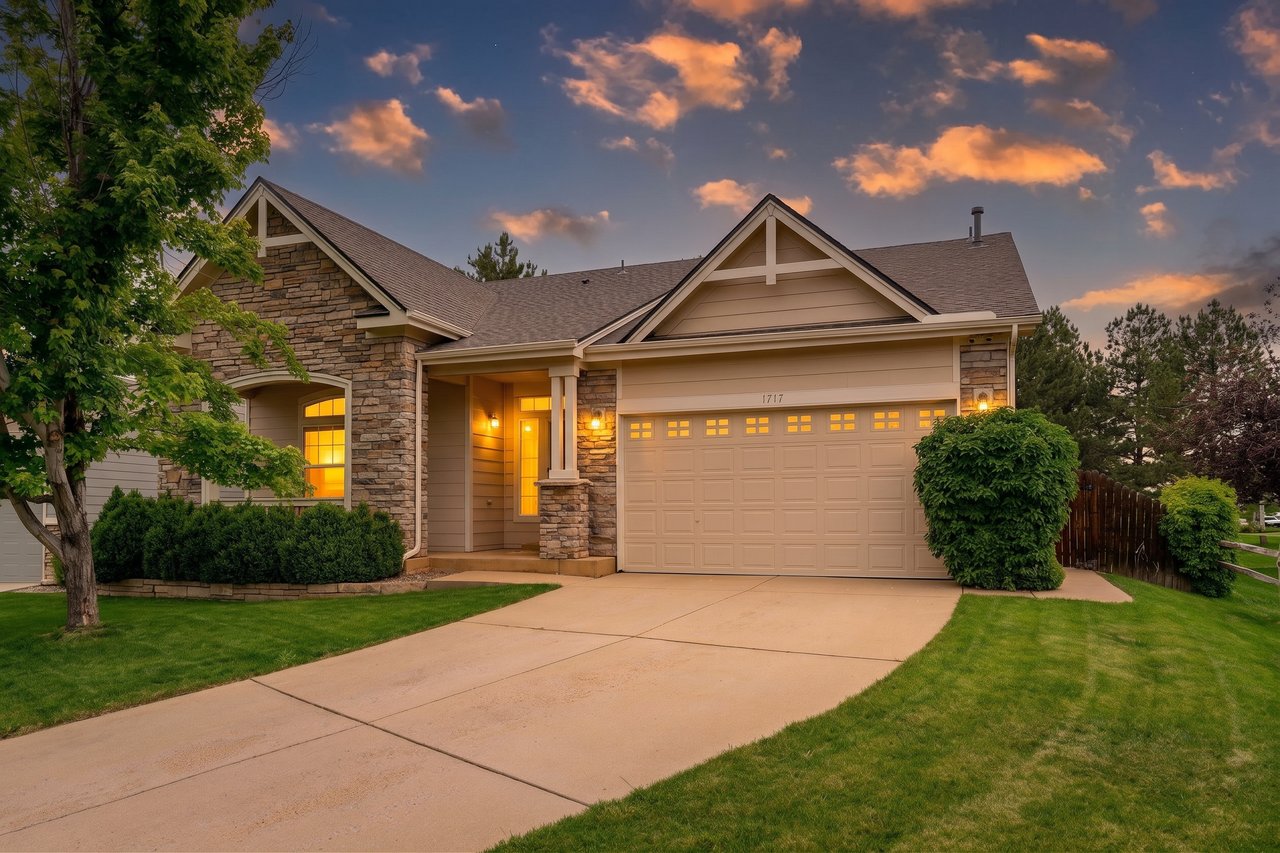
Lakeshore appears to be made up mostly of detached single-family homes. Recent listed and sold examples show homes with roughly 4 to 6 bedrooms and about 2,174 to 3,608 square feet. That makes the neighborhood worth a look if you want more living space, extra bedrooms, or a traditional suburban layout.
The housing stock is generally not new construction. Available property examples point to early-1990s build dates such as 1990, 1992, and 1995. If you love mature neighborhoods with established streetscapes and homes from the late-20th-century suburban era, that can be a plus.
If you want brand-new finishes, builder warranties, or a master-planned new-construction feel, Lakeshore may not be the best fit. This neighborhood seems better suited to buyers who appreciate an established setting and are comfortable evaluating resale homes.
How Lakeshore Fits Aurora’s Market
Aurora’s broader housing market is somewhat competitive. Recent market data shows homes receiving about two offers on average and selling in around 40 days, with a median sale price around $460,000 in March 2026. Aurora’s home value index was also reported at $464,881 as of April 30, 2026.
Within that citywide context, Lakeshore’s recent sales activity appears to sit above Aurora’s median. That can make it feel like a more established, higher-priced pocket within the city. For you as a buyer, that means it is smart to look at both neighborhood-specific pricing and the condition of individual homes instead of assuming all Aurora homes are priced the same way.
Amenities That Shape Daily Life
For many relocation buyers, the real question is not just “What does the house look like?” It is also “What will life feel like once I live there?” In Lakeshore, the answer starts with the HOA amenities and extends into Aurora’s larger recreation network.
The neighborhood’s lake, pool, clubhouse, playgrounds, and ponds can support a more active daily routine close to home. Even if you do not use every amenity every week, having them nearby can add convenience and variety to your schedule.
Beyond the neighborhood, Aurora offers a large outdoor system with 8,000 acres of open space and 119 miles of trails. In southeast Aurora, Tollgate Creek Trail runs from Quincy Reservoir north to the High Line Canal Trail at DeLaney Farm. Nearby trail connections also include the Powerline Trail, West Toll Gate Creek Trail, Cherry Creek Spillway Trail, and Piney Creek Trail.
Horseshoe Natural Area adds even more recreation options, including baseball fields and a playground. If you like having places to walk, bike, or spend time outdoors without leaving the broader area, that trail access is a real advantage.
For indoor recreation, Central Recreation Center at 18150 E. Vassar Place offers a fitness center, elevated indoor track, gym programs, an indoor pool, group fitness classes, eSports, event rentals, and youth programming. That gives you another option beyond private neighborhood amenities, especially during colder months or busy weekdays.
Getting Around From Lakeshore
Commute planning matters when you are moving from another city or state. Lakeshore is not an urban, walk-to-retail setting, so it helps to think about transportation in practical terms before you buy.
In southeast Aurora, RTD service in the surrounding area includes routes 130, 133, and 153. Aurora Metro Center Station serves nine bus routes plus the R Line, and Colfax Station serves five bus routes plus the R Line. That gives you multiple regional transit options, even though your exact commute will depend on where you work and whether you plan to drive, use transit, or mix both.
If commute time is a major factor for your move, test the route during the times you expect to travel. A neighborhood can look perfect on paper, but your daily routine matters just as much as the home itself.
HOA Details To Verify Before You Buy
If you are relocating from afar, this is one of the most important parts of your search. The Lake Shore HOA FAQ says buyers in the Lake Shore area are automatically part of the HOA. That means you should treat HOA due diligence as a core part of your home-buying process, not an afterthought.
Colorado’s Division of Real Estate advises buyers in HOA communities to review the governing and financial documents they are entitled to under Section 7 of the Colorado Contract to Buy and Sell. Buyers should also confirm whether the HOA is professionally managed and review insurance, financial health, and special-assessment risk.
For Lakeshore specifically, there is an extra note of caution. A community-maintained Lake Shore website says it mirrors older HOA materials and should be treated as background only, not as the final source for dues, rules, or current details. If you are buying remotely, rely on the current resale documents instead of older web content.
HOA documents to request
Before making an offer, ask for:
- The current resale packet
- The HOA budget
- Reserve information
- Insurance certificate
- Recent meeting minutes
- Rental rules
- Parking rules
- Any special-assessment history
These documents can help you understand not only the monthly cost, but also how the community is run and whether there may be future expenses.
Small Lifestyle Details That Matter
Relocation buyers often focus on price, size, and commute first. Those are important, but small rules and responsibilities can affect your day-to-day experience just as much.
Aurora says sidewalks adjacent to a property are the owner’s responsibility to clear, although some HOAs may handle that task. It is worth confirming exactly how that works for the specific property you are considering.
Aurora also allows chickens and ducks only with a permit and subject to HOA restrictions. If you have any lifestyle plans that depend on flexible property use, it is wise to confirm both city rules and HOA rules early.
Who Lakeshore May Be Best For
Lakeshore may be a strong fit if you want:
- An established Aurora neighborhood
- Detached single-family homes
- HOA-managed amenities
- Access to trails and recreation
- A suburban setting rather than an urban one
It may be a weaker fit if you want:
- New-construction homes
- A neighborhood with no HOA
- A dense, walk-to-retail environment
The right neighborhood is always about match, not just features. Lakeshore offers a specific kind of suburban Aurora lifestyle, and that can be a very good thing if it lines up with how you want to live.
Planning Your Move With Confidence
When you relocate, you are not just choosing a home. You are choosing a routine, a budget, a commute, and a neighborhood you will interact with every day. Lakeshore offers established housing, notable HOA amenities, and access to Aurora’s larger recreation network, which gives many buyers a balanced suburban option to consider.
The key is to pair neighborhood appeal with smart verification. Review the current HOA documents, study recent home values and condition, and make sure the community supports the lifestyle you actually want after move-in day. If you want experienced guidance as you compare Aurora neighborhoods and narrow down the right fit, connect with Dwellings Colorado Real Estate.
FAQs
What type of homes are common in Lakeshore, Aurora?
- Lakeshore is primarily associated with detached single-family homes, with recent examples showing about 4 to 6 bedrooms and roughly 2,174 to 3,608 square feet.
Is Lakeshore in Aurora a new-construction neighborhood?
- No. Available property examples point to early-1990s construction dates, so Lakeshore is better described as an established resale neighborhood.
Does Lakeshore in Aurora have an HOA?
- Yes. Lake Shore HOA materials say buyers in the area are automatically part of the HOA.
What amenities are available in Lakeshore, Aurora?
- Community materials list a clubhouse, swimming pool, 14-acre lake, ponds, two playgrounds, and boat-ramp access.
What should buyers review before purchasing in Lakeshore, Aurora?
- Buyers should request the current resale packet, budget, reserve information, insurance certificate, recent meeting minutes, rental rules, parking rules, and any special-assessment history.
Is Lakeshore, Aurora a good fit for relocation buyers?
- Lakeshore may be a good fit if you want an established suburban neighborhood with detached homes, HOA amenities, and access to trails and recreation.