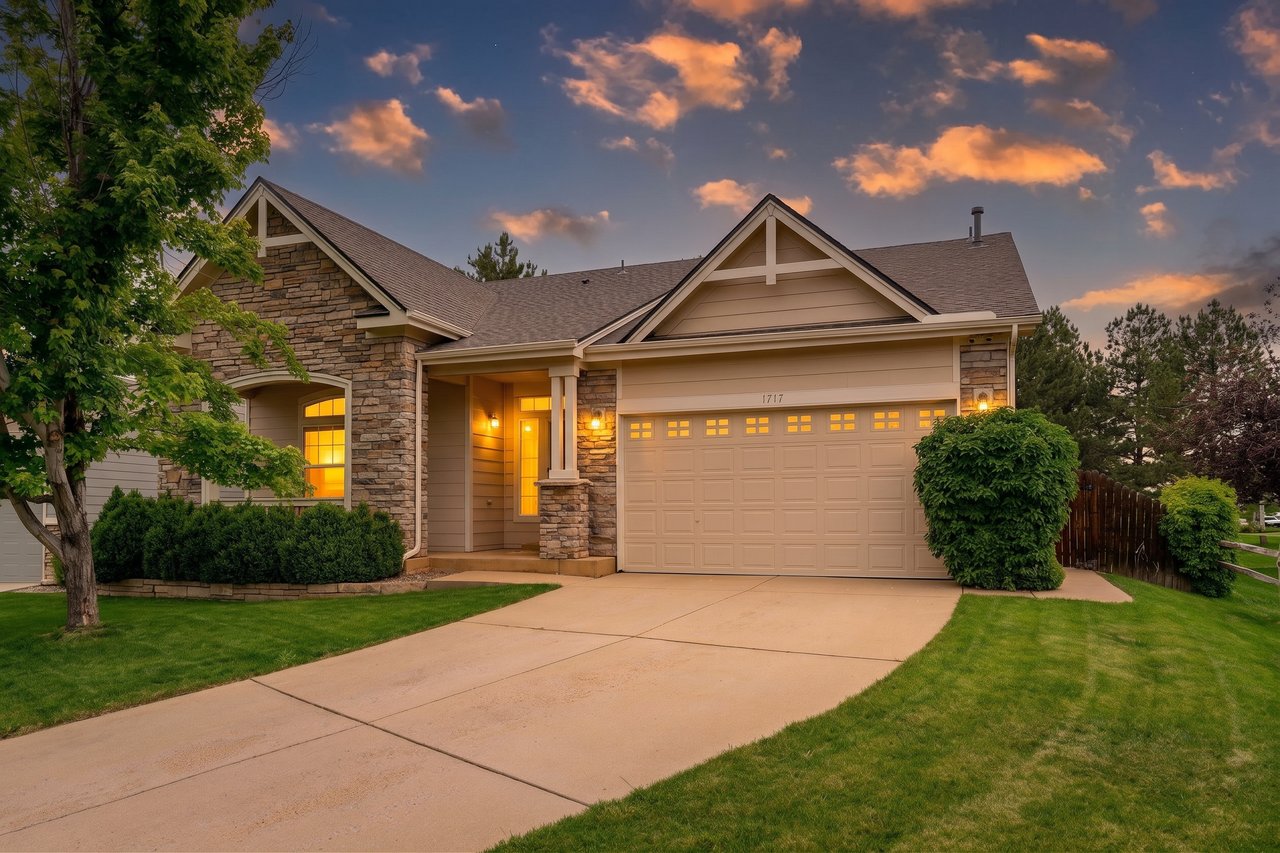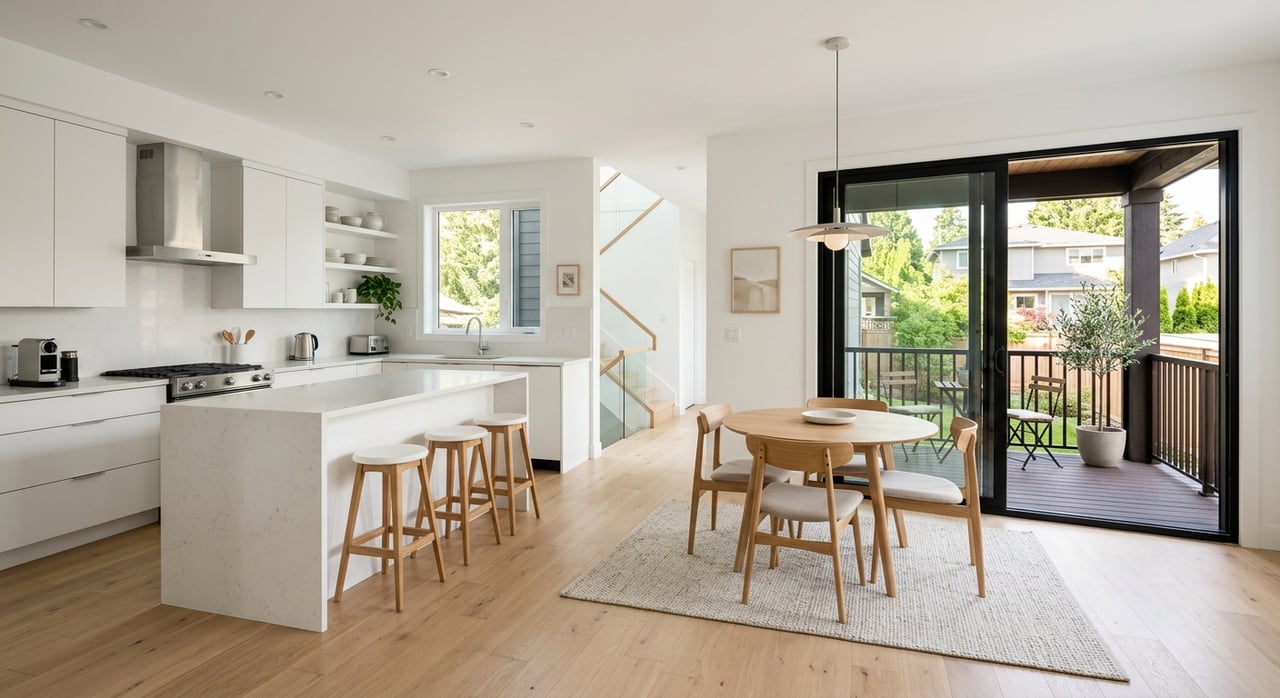
Wondering whether you should sell your current Erie home before you buy new construction? You are not alone. This is one of the biggest stress points for move-up buyers and relocators, especially in a fast-changing market where resale timing and builder timelines do not always line up. The good news is that with the right plan, you can protect your equity, reduce surprises, and move with more confidence. Let’s dive in.
Why timing matters in Erie
Erie is still growing quickly, and that growth affects both resale sellers and new-construction buyers. The Town of Erie reported an estimated population of 41,916 at the end of 2025, along with 720 new housing units completed in 2025 and a vacancy rate of 2.3%. Town planning materials also indicate housing inventory could rise significantly as projects under construction, entitled developments, and early-stage projects move forward.
That matters if you are selling before buying because you are balancing two moving targets at once. Your current home is subject to today’s resale demand, while your next home may depend on a builder schedule that can shift. In March 2026, Redfin reported a median Erie sale price of $768,000, with homes selling in about 47 days on average and typically seeing about one offer.
In plain terms, Erie remains active, but it is not a market where you should assume every timing detail will work itself out. A clear plan matters.
Start with your equity and cash plan
Before you sign a builder contract, get specific about how much money from your current home you expect to use for the next one. Many buyers need sale proceeds for their down payment, closing costs, upgrades, or reserves. If you do not know those numbers early, the process can get stressful fast.
A smart first step is to look at your likely sale price, your remaining mortgage balance, and your expected selling costs. From there, you can estimate what you may have available for your new purchase. This is where experienced guidance matters, because your resale strategy and your builder timeline should support each other from day one.
At Dwellings Colorado, this is often where the planning starts. You are not just preparing to list a home or write on a new build. You are coordinating one financial move with another.
Should you sell before signing a builder contract?
In many cases, it helps to finalize the new-construction contract first so you know what you are working toward. A builder contract typically includes important deadlines, upgrade decisions, and closing conditions. Colorado’s Division of Real Estate notes that real estate contracts are legally binding and contain detailed provisions and deadlines that must be tracked carefully.
That said, waiting too long to prepare your current home can create its own problems. If your builder timeline looks realistic and your current home needs time for repairs, staging, or marketing prep, it often makes sense to start sale planning before the builder contract is fully complete. The key is not to treat these as separate transactions.
The better approach is to build a timeline that covers both sides at once, including your list date, contract deadlines, expected close, and backup housing options.
Know the three most common timing scenarios
When you are selling in Erie before buying new construction, most situations fall into one of three buckets. Knowing them ahead of time helps you plan with less stress.
Scenario 1: Your resale closes first
This is common when your current home is market-ready and your buyer moves quickly, but your new home is not finished yet. In that case, you may need a short-term solution between closings.
One option is a post-closing occupancy agreement, often called a rent-back. In Colorado, the Commission-approved Post-Closing Occupancy Agreement is designed for short-term occupancy after closing and may not exceed 60 days. If the occupancy period will be longer than 60 days, a residential lease is required instead.
This agreement is not just a casual extension. The 2026 form includes a security deposit, requires the buyer to maintain property insurance from closing, and advises both parties to consult legal and tax counsel before signing. If you think you may need extra time after closing, this should be discussed early, not after inspections are done and the moving truck is on hold.
If a rent-back is not available or does not cover enough time, temporary housing may be your fallback. That can be less convenient, but sometimes it is the cleanest way to protect your sale and keep your builder timeline intact.
Scenario 2: Both closings line up well
This is the ideal outcome. Your current home sells, your builder finishes on schedule, and you move from one property to the next with little or no gap.
Even in this best-case scenario, careful deadline tracking still matters. Colorado contracts involve multiple legal dates and obligations, and earnest money is generally held in escrow by a title company. Inspection contingencies on your sale can also affect whether a buyer asks for repairs, seeks concessions, or exits the contract.
A seamless move usually happens because the work was done early. That includes pricing your current home thoughtfully, preparing it well for market, and staying on top of builder updates rather than assuming the original delivery date will hold.
Scenario 3: The builder delays closing
This is the scenario many buyers worry about most, and for good reason. If your current home closes but the new construction is not ready, you need a backup plan immediately.
That backup plan might include a short-term post-closing occupancy agreement, temporary housing, storage, or a revised moving schedule. The important thing is to decide in advance what you would do if the builder pushes your closing date. If you wait until the delay happens, your options may be limited and more expensive.
In a growth market like Erie, where the housing pipeline is still expanding, it is wise to assume some level of timing risk. The goal is not to predict every delay. The goal is to have a plan if one happens.
What to know about Colorado contracts
Colorado uses legally binding real estate contracts with detailed deadlines, and the Division of Real Estate makes clear that these forms are complex. That is especially important when one sale is helping fund another purchase.
If you are under contract on your resale while also working through a builder agreement, each deadline matters. You may be tracking inspection periods, earnest money, title milestones, construction updates, upgrade selections, and final closing conditions at the same time. Colorado also made 2026 contract and form updates mandatory as of January 1, 2026, so using the current versions matters.
This is one reason boutique, hands-on representation can make a real difference. When two transactions are tied together, communication and detail tracking are not optional.
Builder contracts need careful review
A new-construction purchase does not work exactly like buying a resale home. Builder contracts may include their own timelines, deposit structures, completion targets, and warranty documents. You should review those details in the context of your sale plan, not in isolation.
It is also important to understand what a builder warranty is and what it is not. The FTC notes that a builder warranty usually comes with a new home and often covers permanent parts of the property, while a home warranty is generally a separate service contract that costs extra and is more often associated with existing homes.
Typical builder warranty coverage is often described as:
- 1 year for workmanship and materials
- 2 years for HVAC, plumbing, and electrical systems
- Up to 10 years for major structural defects
Just as important, many new-home warranties do not cover moving costs or temporary housing expenses while repairs are being made. If you are counting on the builder to solve every inconvenience after closing, read the warranty documents carefully and ask questions before you commit.
HOA due diligence matters in many new communities
If your new Erie home will be in an HOA community, build HOA review into your timeline. The Colorado HOA Center advises buyers to review the Declaration, CC&Rs, assessments, plat map, common elements, and restrictions.
You are not entitled to the full HOA governing documents until you are under contract, but the Declaration can still be obtained from the county clerk and recorder beforehand. Colorado also requires HOA registration, and an HOA that is not registered cannot pursue an enforcement mechanism or file a lien against a delinquent homeowner.
For condo and townhome buyers, a newer Colorado law may also matter. HB25-1272 allows some builders to opt into a program that includes a warranty and neutral third-party inspection in exchange for added protections from construction-defect claims. It also requires HOA executive boards to obtain 65% owner approval before filing a defect claim on behalf of owners.
Practical steps for selling first
If you are leaning toward selling your current Erie home before buying new construction, these steps can help you stay organized:
- Estimate your equity early. Know what funds you may have available after mortgage payoff and selling costs.
- Review the builder timeline carefully. Ask about estimated completion, likely delays, and key decision dates.
- Prepare your home before you need to list. Small repairs, presentation, and pricing strategy take time.
- Plan your backup housing now. Decide whether rent-back, temporary housing, or a lease would be your fallback.
- Track every contract deadline. Your sale and purchase should be managed as one coordinated move.
- Review warranties and HOA documents. Do not assume builder paperwork will answer every risk automatically.
Why local guidance helps in Erie
Erie’s growth story creates opportunity, but it also creates moving parts. The town is adding housing, planning for more development, and still showing relatively tight vacancy. At the same time, resale values remain meaningful, with Erie’s March 2026 median sale price reported at $768,000.
That combination means your sale may unlock strong equity, but your next move still needs careful timing. A local strategy should account for current resale demand, builder pace, neighborhood-level inventory, and how much flexibility you need if dates shift.
If you are trying to sell in Erie before buying new construction, the best approach is usually not speed for the sake of speed. It is a coordinated plan that protects your proceeds, gives you options, and helps you move on a timeline that feels manageable.
When you are ready to map out both sides of the move, Dwellings Colorado Real Estate can help you create a smart sale strategy, understand your likely equity position, and coordinate the next step with confidence.
FAQs
How much equity should you have before buying new construction in Erie?
- You should know your estimated sale proceeds after mortgage payoff and selling costs before committing to a builder contract, especially if those funds will be used for your down payment, closing costs, upgrades, or reserves.
Should you list your Erie home before signing a new-build contract?
- In many cases, it helps to understand the builder contract and projected completion timeline first, but sale preparation often should begin earlier so your listing strategy is ready when timing makes sense.
What happens if a builder delays closing after your Erie home sells?
- You may need a backup plan such as a short-term post-closing occupancy agreement, temporary housing, or storage, depending on how long the delay lasts.
How long can you stay in your home after closing in Colorado?
- Under Colorado’s Commission-approved Post-Closing Occupancy Agreement, short-term occupancy after closing may not exceed 60 days. If you need more time, a residential lease is required.
What should you review before buying new construction in an Erie HOA community?
- You should review the Declaration, CC&Rs, assessments, plat map, common elements, restrictions, and the HOA’s registration status as part of your due diligence.
Is a builder warranty the same as a home warranty for new construction?
- No. A builder warranty typically comes with a newly built home and covers certain components of the property, while a home warranty is generally a separate service contract that may cost extra.